






















Spain beat France 2-0 to reach first World Cup final since 2010
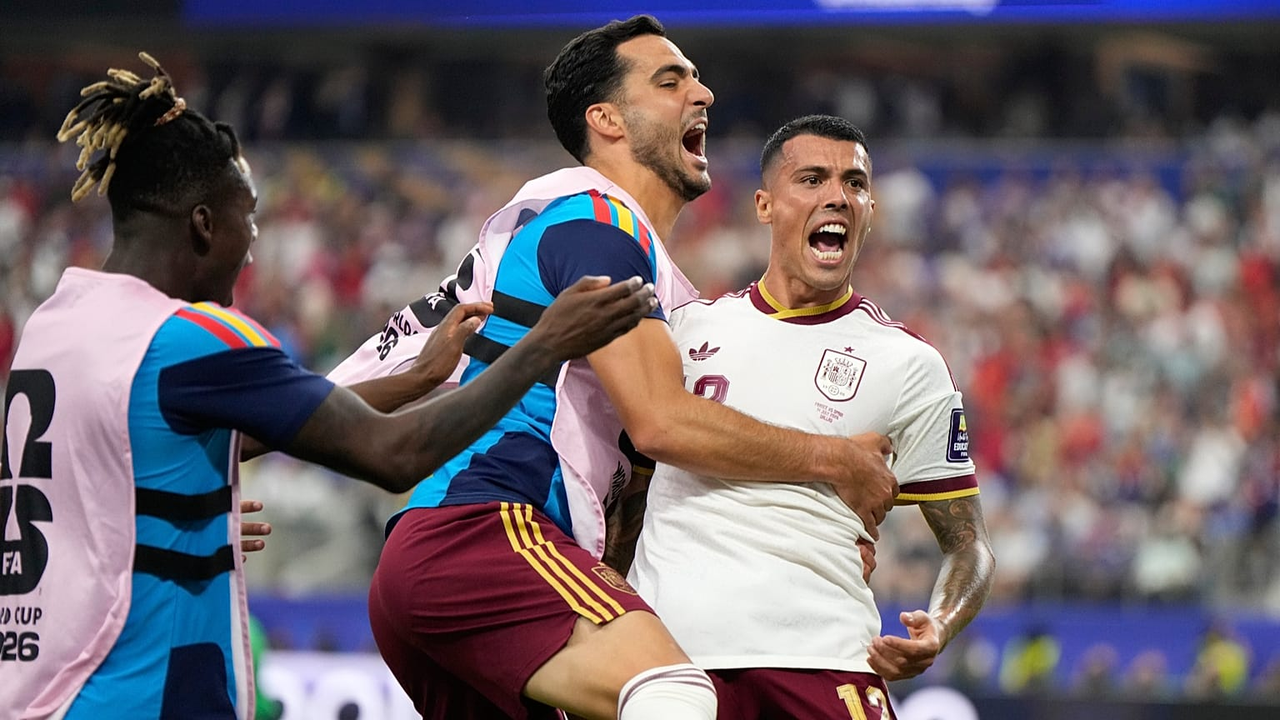
Spain are back in the World Cup final after beating France 2-0 in the semi-final. Mikel Oyarzabal scored a first-half penalty, and Pedro Porro added the second goal. Spain reached their first final since winning the 2010 tournament. The score reflected a performance built on control rather than a late rush.
France had fast attackers who were dangerous in open space. Spain limited that threat by keeping the ball and blocking the first forward pass. France then had to defend for longer periods. Spain won 2-0 and controlled the main attacking areas.
Spain used possession to limit France
Spain kept the ball to attack and to limit France’s speed. France’s fastest players were less dangerous without open space. Spanish players offered passing options on both sides of the ball. When France closed one area, Spain passed back and started a new attack.
Patient passing reduced the number of open counterattacks. France still won some individual challenges, but another Spanish player was often close to the loose ball. Spain’s central defenders therefore faced fewer fast runs toward their goal. Spain also completed the semi-final without conceding. That clean sheet mattered because France could not turn extra possession in the second half into a goal or a late comeback. Oyarzabal and Porro supplied the goals at the other end.
Oyarzabal gave Spain the lead
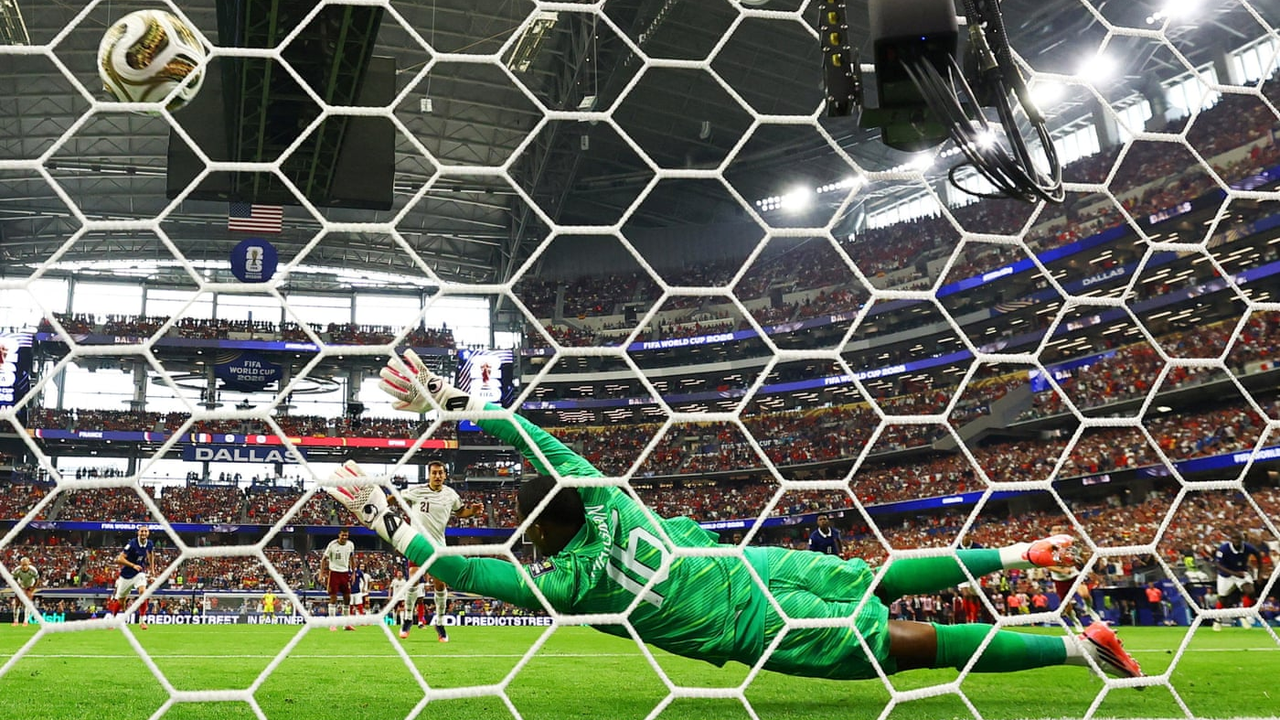
A controlled match still needs a moment that changes the scoreboard. Oyarzabal accepted that responsibility from the penalty spot in the first half. His finish placed France in a new tactical position. France could no longer wait only for the ideal counterattack. The team had to press harder and send more players forward.
Spain reached the penalty area with several players before the foul. Their passing had moved the French defence across the pitch. A defender then made a late challenge from a poor position. Oyarzabal converted the resulting penalty.
France could not use their fastest attackers
France’s clearest path depended on winning the ball and finding the first forward pass before Spain reset. The Spanish midfield worked to block that pass. One player challenged the ball carrier while another protected the lane behind him. This prevented a single interception from becoming a direct race toward the penalty area.
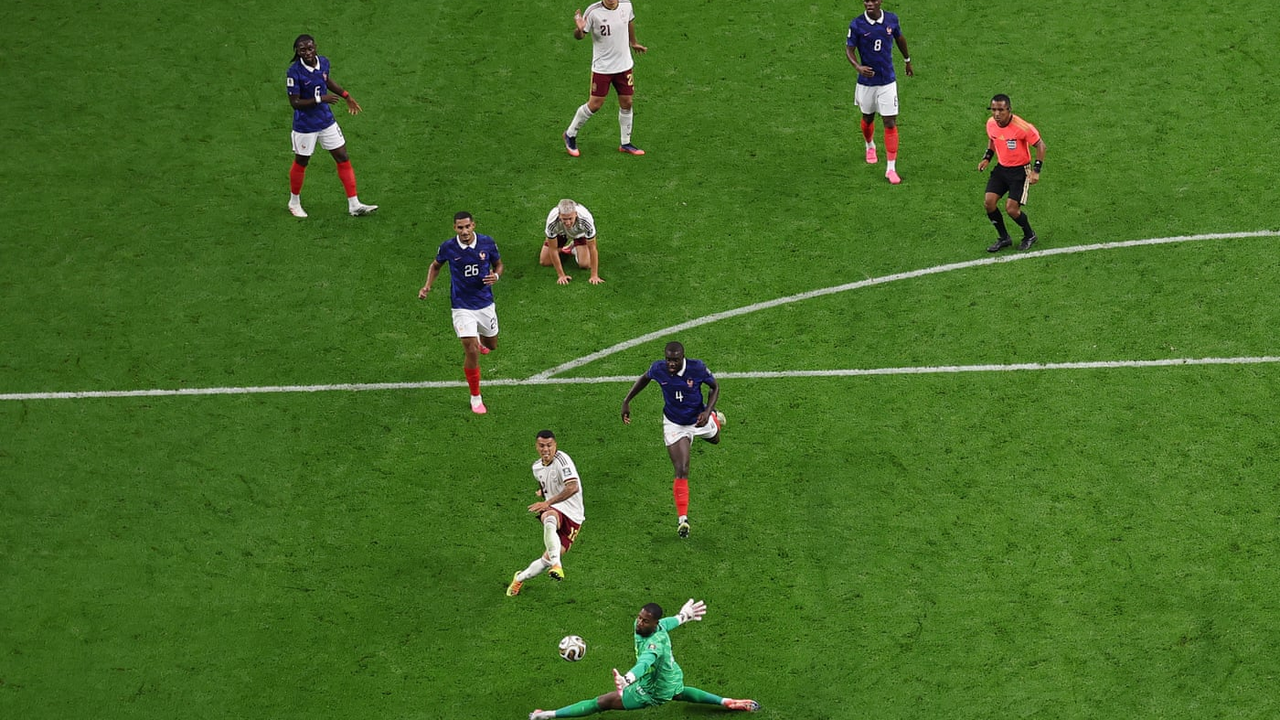
When France attacked slowly, Spain placed more defenders between the ball and the goal. The full-backs received help, and the midfield closed central passing options. France still had talented players, but they received little open space.
| Signal | Meaning |
|---|---|
| Semi-final score | Spain 2-0 France |
| Goals | Mikel Oyarzabal penalty and Pedro Porro |
| Historic marker | Spain’s first World Cup final since 2010 |
Porro’s second goal gave Spain more control
The result can be compared with the semifinal preview published before kick-off. That report covers the teams’ form before the match rather than the outcome.
Pedro Porro’s goal gave Spain the margin that their control deserved and forced France to chase two different problems. The French side needed goals, but greater attacking numbers would create more space behind them. Spain could now choose when to keep possession and when to attack the open lane left by the chase.
After the second goal, France had to attack with more players. Spain did not respond with careless attacks. They kept enough players behind the ball and used possession to slow the game. France still had to work for every chance near the penalty area.
The midfield kept the distances short
Spain defended well because every line moved together. The midfield followed when the forwards pressed. The players also moved back together when France advanced. This kept the gaps small and prevented French attackers from receiving the ball with room to turn.
Short distances also improved the attack after recovery. Spain did not need a long pass to find a teammate because several options were already close. That allowed the first touch after winning the ball to be secure. Once possession was stable, the team could expand again and make France cover the width of the pitch.
The final will bring a different challenge
Spain have reached their first World Cup final in 16 years. However, the current team should not carry the full weight of comparisons with 2010. Spain reached the final through patient passing and coordinated pressure. The team also defended without the ball when required.
Spain will face a different opponent and a different tactical plan in the final. They must first understand those changes instead of simply repeating the semi-final. The same discipline will still help. Spain must protect the centre after losing the ball and keep teammates close during every attack.
France need more options against organised defences
France did not lose because of a lack of quality or effort. Spain blocked the first forward pass and forced the French attack to slow down. France then needed more creative passing against an organised defence and did not produce enough clear chances.
France need more movement between Spain’s midfield and defence. They also need to continue an attack when the first pass is blocked. Several moves ended near the Spanish penalty area before France could attack again. Future teams must collect loose clearances and build a second chance.
A deserved final place still leaves one match
Spain stopped France’s most dangerous attacks and used two important chances. Oyarzabal converted the penalty, and Porro scored the second goal. Spanish players stayed close to each other and gave France little space for a fast attack.
Spain can celebrate the semi-final win, but preparation for the final begins quickly. The coaches must check which players have recovered, study the match video and choose the team. Spain have ended a 16-year wait to reach this stage. They must now prepare a clear plan for a new opponent.

Comments
No comments yet — be the first to share your thoughts.