






















Real Madrid visit Schalke for their final summer friendly
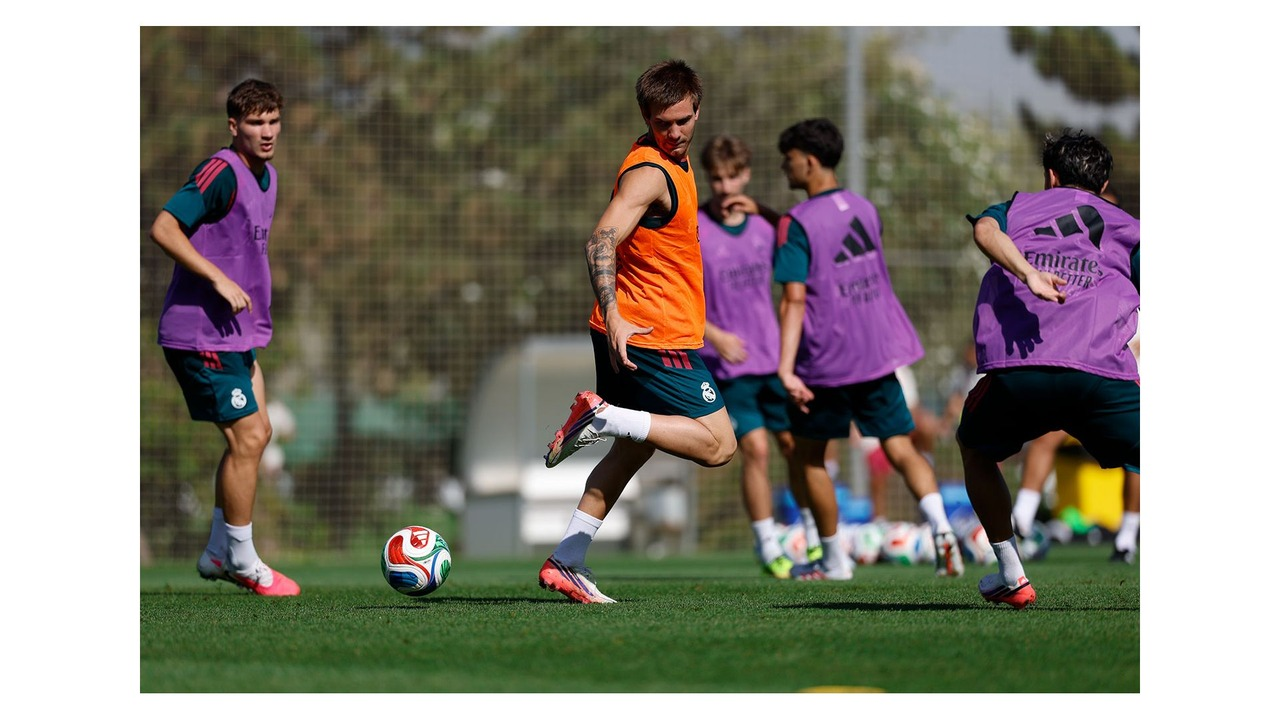
Real Madrid visit Schalke for a preparation match at the Veltins-Arena. The game is the final scheduled friendly before Madrid turn to domestic competition. It also marks a return to a stadium where the Spanish club played two memorable European matches.
Schalke uses the occasion as part of the Veltins-Arena’s twenty-fifth anniversary programme. A large crowd gives both teams a competitive setting without league points. The coaches can make changes freely while still testing players in front of a full stadium.
The Veltins-Arena provides a serious final test
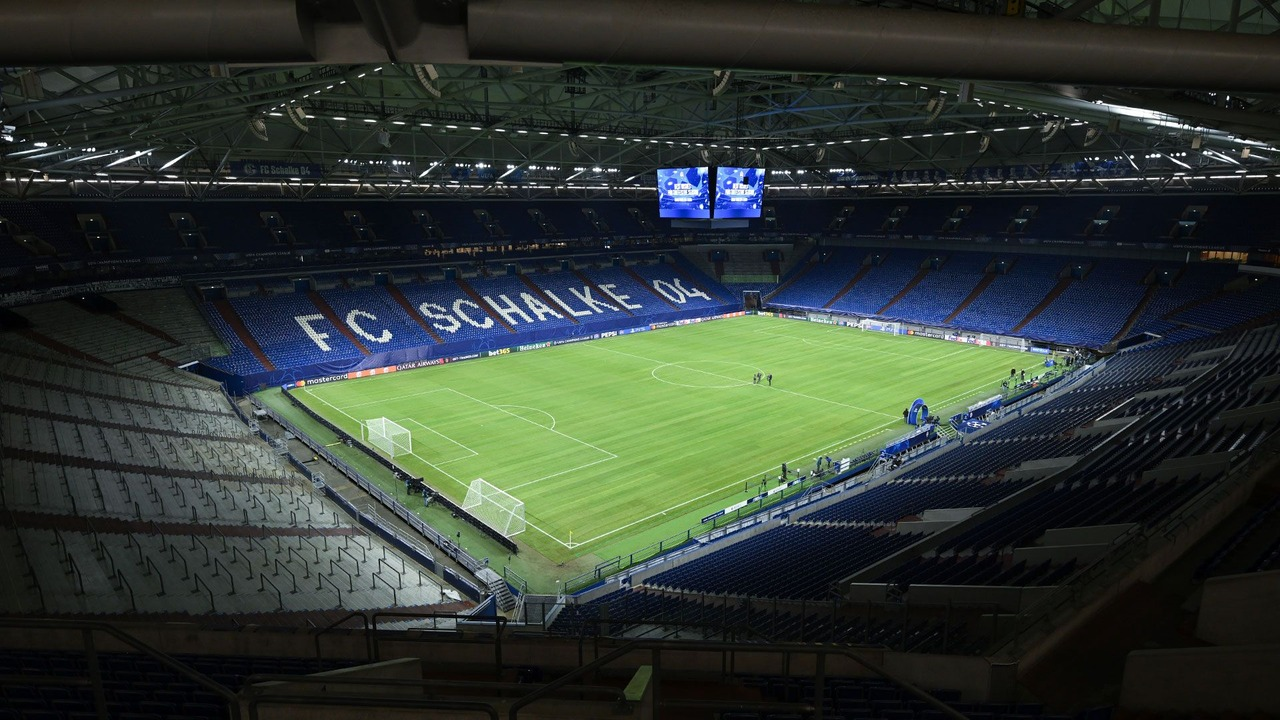
The stadium holds more than sixty thousand spectators and has a retractable roof. Noise remains close to the pitch because the stands rise sharply around the playing area. That environment makes the friendly feel different from a training-ground match. Real Madrid can examine communication between defenders when the crowd is loud. Schalke receives a high-level opponent for its own preparation. The intensity comes from the setting and the quality of the players rather than the result alone.
The surface and stadium systems are familiar to the German club. Madrid adapts during one short visit. That small disadvantage provides useful preparation for later away matches in domestic and European competition.
Madrid return to a ground linked with two European wins
Real Madrid played Schalke in the Champions League knockout rounds in 2014 and 2015. The first visit ended with a six-goal Madrid performance. A year later, the Spanish side won again in Gelsenkirchen. Those matches belong to a different generation of players. They provide history for the occasion without deciding anything about the current teams.
The friendly is built around present preparation, not a recreation of the old results.
Supporters still recognise the connection between both clubs. Clubs often use historic meetings when presenting a summer fixture. The reference gives the match identity while the coaching staff focuses on current fitness and structure.
The final friendly narrows the selection decisions
Earlier summer matches allow wide rotation and experimental lineups. The last friendly normally moves closer to a competitive team. Players receive longer spells in the positions they may hold when the season begins. The coach can still protect anyone carrying fatigue. A substitute appearance may complete the required workload without increasing injury risk. Training data and medical checks guide those decisions before kickoff.
Competition for places is especially visible in midfield and attack. The coaches judge connections between teammates as well as individual skill. Pressing, movement and quick decisions after possession changes all affect that assessment.
Schalke can test its defensive distances
Madrid’s forwards move between central and wide areas. Schalke‘s defenders pass runners between them without opening a direct route to goal. The midfield line also closes space in front of the penalty area. When Schalke wins the ball, the first pass matters. A rushed clearance simply returns possession. A controlled outlet can move the home team beyond Madrid’s first pressure and create room for a counterattack.
Set pieces provide another match situation. The game offers several chances to organise marking against tall and mobile opponents. These details remain useful even when both teams change many players after halftime.
The result sits behind the quality of the preparation
A final friendly can influence confidence, but coaches examine more than the score. They check whether the team kept its shape, created chances through planned movements and avoided physical problems. Madrid also needs a clean return from Germany. Travel is short compared with a European competition trip, but recovery starts immediately after the game. Players then move into the normal weekly schedule for the domestic opener.
Schalke‘s anniversary event gives the match a strong public setting. Real Madrid receives a demanding final rehearsal. The useful outcome is a clear picture of readiness before competitive football replaces summer experiments.
The match also tests work without the ball
Pre-season discussion often focuses on goals and new attacking combinations. Coaches also need evidence from defensive transitions. The first seconds after losing possession show whether the team remains compact. Madrid’s nearest players can slow Schalke while the rest recover their positions. An immediate tackle is not always required. Closing the forward pass may give the defence enough time to rebuild.
Schalke face the same problem when their attack ends. Madrid have players who can carry the ball into open space. The German side needs cover behind every advanced full-back. These moments resemble competitive football more closely than an isolated passing drill. The final friendly offers repeated transitions under pressure. Coaches can then correct the exact distance or decision that opened the field.
Comments
No comments yet — be the first to share your thoughts.