






















Paris Saint-Germain beat Aston Villa in the UEFA Super Cup
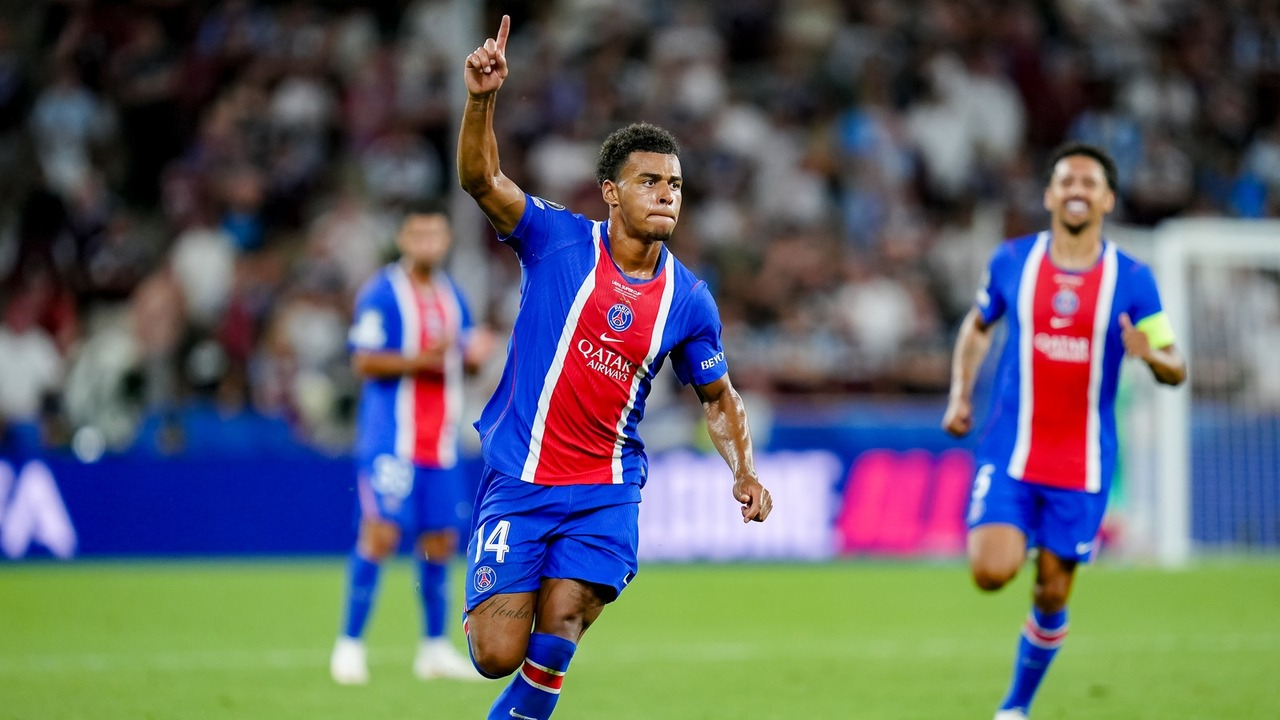
Paris Saint-Germain beat Aston Villa 2-1 in the UEFA Super Cup at Red Bull Arena. Brian Madjo gave Villa the lead shortly before half-time. Khvicha Kvaratskhelia equalised, and Désiré Doué scored the winning goal after the interval.
The victory kept the trophy in Paris after a competitive final. Villa created the first decisive moment and protected its lead into the break. PSG responded with greater pressure and completed the turnaround during the second half.
Villa struck before the interval
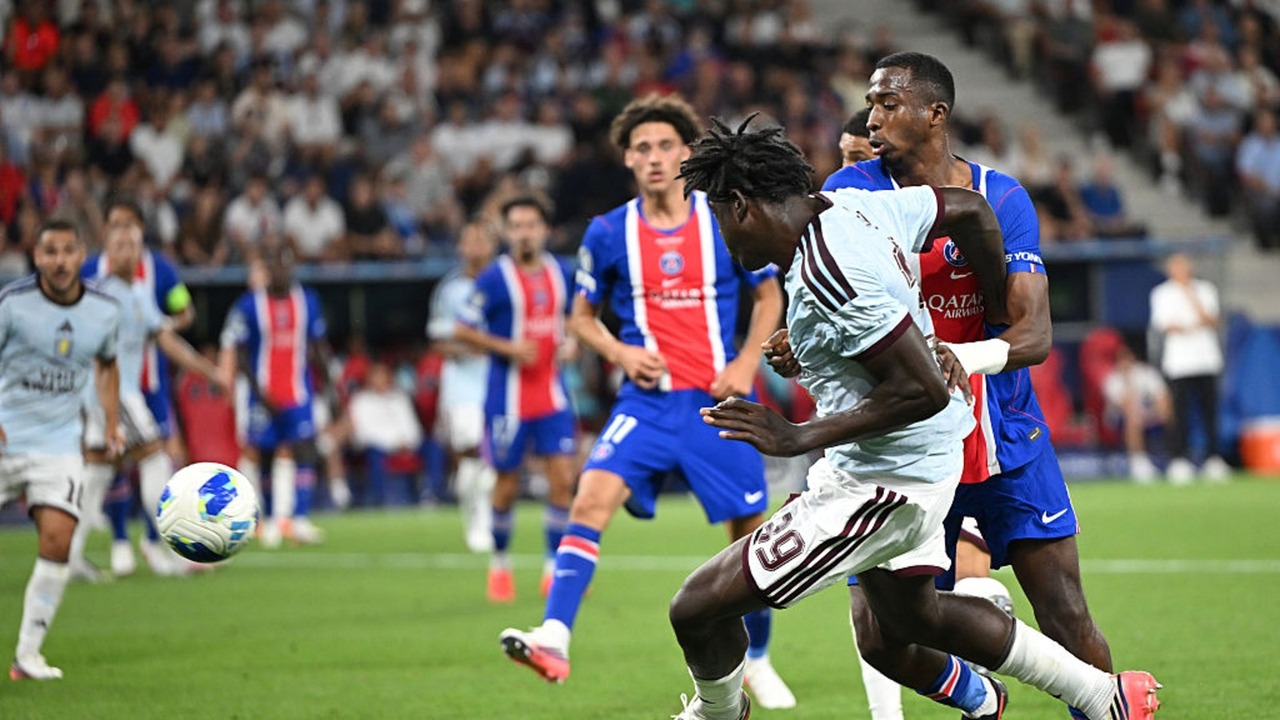
Aston Villa opened the scoring through seventeen-year-old forward Brian Madjo. John McGinn delivered the cross that created the chance near the end of the first half. Madjo completed the move and sent Villa into the dressing room ahead.
The goal gave Villa a clear reward for remaining organised under pressure. PSG had possession but could not turn every attack into a clean opportunity. Villa’s advantage also changed the decisions required from both teams after half-time.
Madjo set a remarkable age record
Madjo played the final at seventeen years and 212 days old. His appearance made him the youngest player in a major European club final. Scoring the opening goal added another notable achievement to his evening.
The record came against the reigning European champions in a senior final. Villa trusted him with an important attacking role despite his limited top-level experience. His finish justified that decision before PSG produced its response.
Kvaratskhelia brought PSG level
PSG equalised through Khvicha Kvaratskhelia in the second half. The Georgian attacker found space and completed the move after Villa had defended its lead. His goal restored balance and increased the pressure around Villa’s penalty area.
The equaliser also changed the pace of the final.
PSG no longer needed to chase two separate moments before full time. Villa had to decide when to protect space and when to attack again.
Doué supplied the winning finish
Désiré Doué scored the decisive goal after PSG had taken control of the scoreline. His finish completed the turnaround and forced Villa to search for a late response. PSG then managed the remaining minutes without losing its advantage.
Doué’s goal followed a season in which he became increasingly important in major matches. The Super Cup offered another final with direct pressure on every attacking decision. He responded by delivering the action that separated the teams.
The final remained competitive until the end
Villa did not lose contact with PSG after falling behind. The English side continued looking for a route into the final third. PSG still needed disciplined defending to protect a one-goal lead.
The narrow margin reflected a match shaped by three successful attacks. Neither side received enough room to turn the final into an open contest. PSG’s greater second-half accuracy ultimately decided the trophy.
Both teams reached the final through major achievements
The Super Cup brought together clubs that had earned their places through European competition. PSG entered as Champions League holders after its first title in that tournament. Villa arrived after winning the Europa League and ending a long wait for European silverware.
That background gave the fixture meaning beyond an early-season trophy. Each club faced an opponent carrying recent success and strong expectations. The final also provided an immediate test before their domestic schedules gathered pace.
PSG completed the comeback with two scorers
Madjo’s first-half goal placed PSG in a difficult position before the break. Kvaratskhelia removed that deficit, while Doué supplied the winning action.
The two second-half scorers ensured that PSG recovered without needing extra time.
Villa left with evidence that its young players can contribute in major matches. PSG left with another European trophy and a successful response under pressure. The final was decided by the champions’ sharper finishing after half-time.
How the three goals changed the final
Madjo’s goal rewarded Villa at the best possible moment before half-time. PSG had to spend the interval preparing a response instead of protecting a level score. Villa could begin the second half with a compact shape and a clear advantage. Kvaratskhelia’s equaliser removed that plan before it could decide the trophy. The goal forced Villa to consider attacking again instead of defending the same margin. PSG also gained confidence after converting its growing pressure. Doué’s winning finish created the opposite problem for Villa. The English side now needed a goal while PSG could protect space. Substitutions and later attacks took place under that new scoreline.
PSG’s two scorers offered different threats around the Villa defence. Kvaratskhelia attacked through movement from the side, while Doué arrived through another route. Villa could not focus every defender on one player. Madjo’s record gives Villa a lasting positive point despite the defeat. Performing at that age in a European final is already unusual. Scoring against the Champions League holders made the achievement more significant. The final also gave both clubs an immediate measure before domestic competition. PSG proved it could recover after conceding first. Villa showed that its young striker could contribute against elite opposition.
Comments
No comments yet — be the first to share your thoughts.