






















Guardiola’s Italy link only works if the role stays bigger than nostalgia
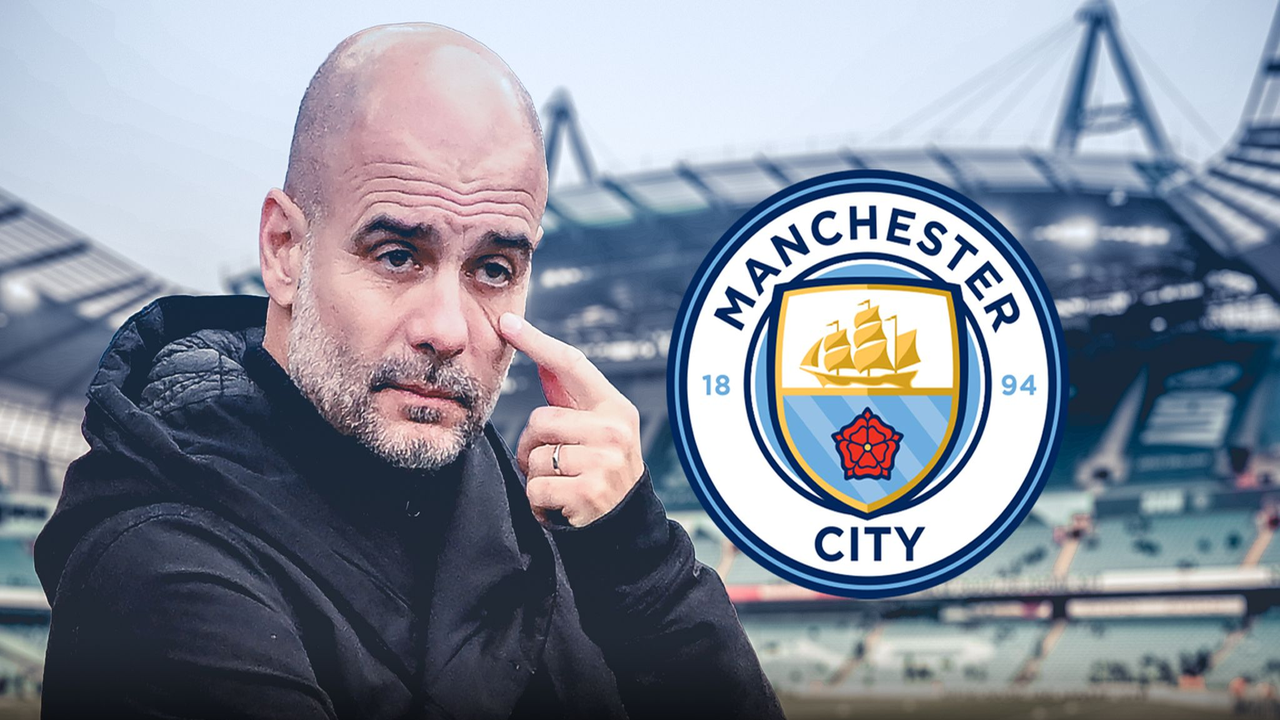
Pep Guardiola being linked with a future Italy role is the kind of story that can sound romantic before it becomes practical. The talkSPORT report puts the idea into the open, but the football question is harder than the headline.
Italy would not need Guardiola for the name alone. They would need him only if the federation, clubs and player pool were ready to support the kind of work that makes his teams more than a collection of possession habits.
The idea is powerful but incomplete
Guardiola and Italy creates an obvious tactical image: control, spacing, midfield detail and a national team with a deep football identity.
That image is not enough. International football gives managers fewer training days, fewer repetitions and less room to rebuild players from the ground up.
Italy would need a shared plan
A national-team appointment only works if the rest of the structure accepts the direction. Guardiola’s football is demanding, and it needs language that youth teams and clubs can understand.
If the role becomes only a famous coach placed on top of old habits, the result would probably be disappointment. The job has to be bigger than the appointment photo.
The squad would change the method
Guardiola has always adapted to players, even when people describe him as rigid. With Italy, the available midfielders, defenders and wide players would decide how far the system can go.
The club-reset side of the coaching package is covered in Xabi Alonso’s Chelsea reset starts with trust before tactics, where the focus stays on trust, roles and the first steps of a new coach.
That is the serious part of the link. The manager’s name cannot replace a proper read of the player pool.
| Signal | Meaning |
|---|---|
| Reported link | Guardiola has been connected with a possible Italy role. |
| Core issue | International football gives less time for detailed coaching. |
| Best condition | A federation-wide plan, not only a famous appointment. |
| Clean test | Fit matters more than nostalgia or name value. |
Tournament football is a different clock
Club football lets a coach correct problems across months. Tournament football asks him to make choices quickly and live with them under pressure.
Guardiola would need a simpler match plan than he uses across a club season. The skill would be choosing which principles to keep and which details to leave aside.
The emotional pull is real
There is still a reason the story attracts attention. Guardiola’s history, Italy’s tactical culture and the size of the national shirt make the idea feel natural to imagine.
But nostalgia has to stay in the background. The best argument would be a clear football project, not a beautiful sentence about style.
The question is fit, not fame
If the link ever becomes concrete, the key question should be fit. Can Italy give Guardiola enough structure, time and player profiles to make the idea real?
If yes, it would be one of the most fascinating national-team projects in football. If no, it would risk becoming a famous mismatch.
Why the Italy idea needs more than a name
The Guardiola link is powerful because the name carries authority, but a national-team job is not a club project with daily training. Italy would need a role that fits short camps, quick messages and selection choices that cannot wait for long development cycles.
Nostalgia can make the idea sound cleaner than it is. A famous coach does not remove the need for clear structure around the federation, the staff and the age profile of the squad. The job would have to be built carefully before the first squad list.
The strongest version of the move would focus on standards. Italy need clarity in build-up, brave midfield choices and a way to make elite players comfortable in a short window. That is a practical task, not only a romantic one.
If the conversation stays only on Guardiola’s past, it will miss the real test. The role has to be large enough to shape the next cycle and narrow enough to work inside the rhythm of international football.
What an Italy role would demand
A national-team role would force Guardiola to simplify his usual work. Club football gives a coach daily training and long tactical cycles. Italy would give him short camps, limited recovery time and players arriving from different systems, so the plan would need fewer moving parts.
The squad profile would decide the method. Italy would need midfielders who can receive under pressure, wide players who stretch the pitch and defenders comfortable enough to start attacks. If those pieces are not available together, the coach would have to adapt quickly.
The federation would also need to protect the role from nostalgia. A famous name cannot fix youth development, selection balance or tournament pressure alone. The job would need staff alignment, clear communication with clubs and a realistic plan for the next qualification cycle.
The idea works only if the appointment becomes a football project, not a photo opportunity. Guardiola’s value would be standards, training detail and selection courage. Italy would still need players in form and a structure that can survive the short rhythm of international weeks.
Tournament football would also change substitution planning. Guardiola could not rely on months of pattern work, so the bench would need simple roles: one player to protect the ball, one to attack space and one to defend late crosses. Italy would need those options ready before a knockout match.
The biggest sporting question is whether the current player pool can support a high-control approach. If Italy lack the right midfield rhythm, the plan has to become more direct. A successful appointment would be judged by adaptation, not by copying a club model.
Italy would also need a clear plan for matches where possession does not bring chances. Tournament opponents can sit deep and wait for mistakes. Guardiola’s staff would need rehearsed alternatives: earlier crosses, runners beyond the striker and quicker shots from midfield.
Comments
No comments yet — be the first to share your thoughts.