


















FA Cup begins with the extra preliminary round across England

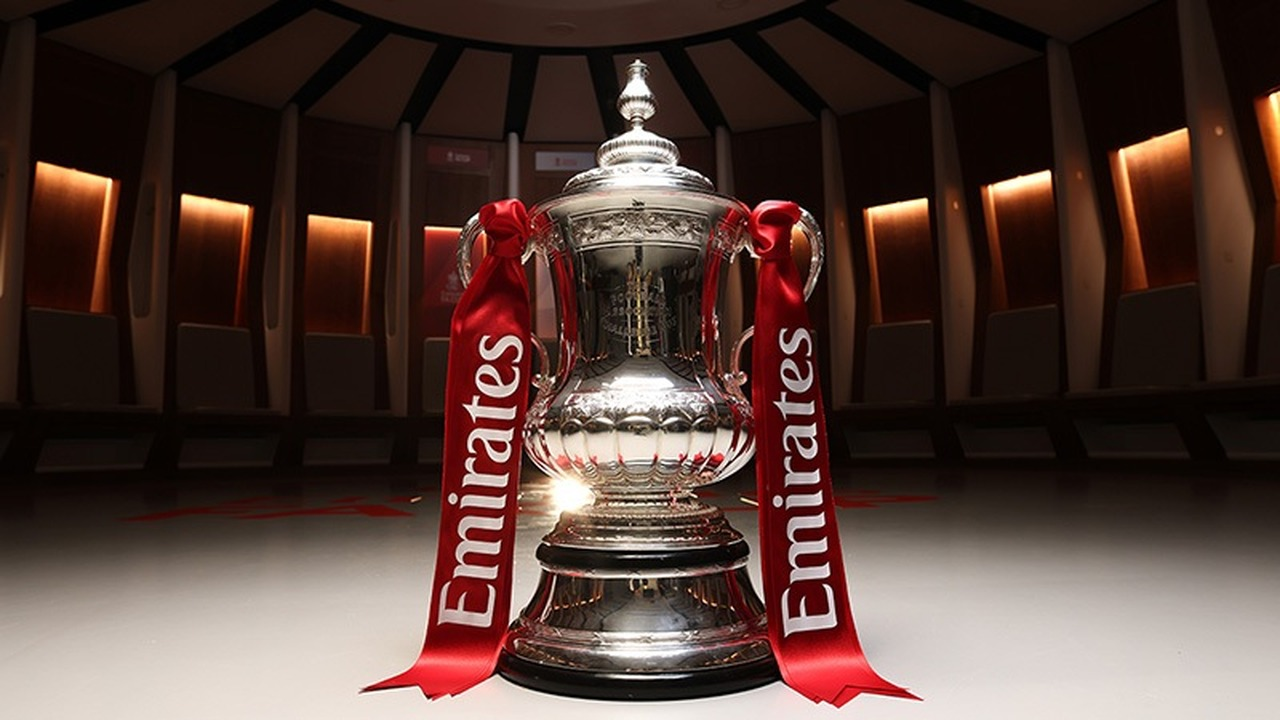
The 2026/27 FA Cup begins with the extra preliminary round. Hundreds of non-league players and supporters enter a competition that finishes at Wembley next May.
These opening ties form the first step of a long national schedule. Clubs from higher divisions join during later rounds according to their league level.
The first weekend belongs to local clubs
Extra preliminary ties are often played at small community grounds. The teams combine senior competition with jobs, study and regular non-league schedules. Travel is usually regional at this stage. The draw limits the longest journeys and creates meetings between clubs from nearby counties and divisions.
A single result sends the winner into the preliminary round. Prize money and gate receipts carry real value for clubs working with modest annual budgets. Supporters also see opponents outside the normal league programme. The cup therefore begins with local variety before its national television audience grows.
The FA Cup adds more clubs in each round
The first round proper is scheduled for early November. Clubs from League One and League Two enter at that point after the qualifying stages finish. Premier League and Championship teams join in the third round proper during January. By then, surviving non-league clubs may receive a match against full-time opposition.
Every early winner needs several further victories to reach that stage. The route is long because the competition includes teams from many levels of English football. The final takes place at Wembley on 22 May 2027. That date stands far beyond the immediate work facing clubs in the opening round.
Early matches take place at local grounds
Smaller stadiums bring spectators close to the touchline. Limited space also changes warm-up areas, media positions and the movement around each technical area. Visiting teams adapt to unfamiliar surfaces and dressing rooms. Some grounds have slopes or tighter dimensions than the stadiums used in professional leagues.
These differences remain within competition regulations. Match officials inspect the field and equipment before play, as they do in every sanctioned tie. Volunteers handle many duties outside the pitch. Ticket sales, refreshments and stewarding often depend on people who support the club throughout the year.
A cup run can strengthen a non-league club
Each additional round produces another fixture and another share of match income. A strong run may fund travel, equipment or maintenance during the season. Players also gain experience in direct knockout football. There is no league table to repair after defeat because the tie decides immediate progress.
Managers balance that opportunity with existing league commitments. The opening rounds arrive while squads are still settling into a new domestic campaign. The cup gives clubs wider attention when results travel beyond their usual audience. Local supporters often bring relatives and friends to a notable home draw.
The first whistle begins a competition lasting ten months
The distance between August and May is central to the FA Cup’s scale. The finalists enter much later, but the competition already exists in towns across England. Every club starts with the same immediate requirement. It needs one positive result before any larger opponent or distant round becomes relevant.
The extra preliminary round rarely receives the coverage given to Wembley. It still supplies the first official goals and first eliminated teams of the season. By Saturday evening, the field will already be smaller. The remaining clubs then prepare for the preliminary round and another knockout match.
Early rounds connect different levels of the pyramid
The FA Cup entry list expands through the qualifying stages. Successful clubs gradually meet opponents from stronger regional divisions before professional teams arrive. This structure preserves a route from local football to the national rounds. A club may need several wins before appearing in the first round proper.
Draws determine the next opponent after each stage. Teams cannot plan a long route because every new pairing depends on the previous results. The opening weekend supplies the first names for that process. Those winners keep a place in both the sporting competition and its financial rewards.
The draw gives small clubs a defined national route
Every tie begins with two clubs at the same point in the competition. League position may shape expectations, but it does not provide a goal or automatic advantage. Clubs prepare using the information available from local football. Recent lineups and pre-season matches may be more useful than large professional data systems.
Players also know the next round is not guaranteed until the match ends. That direct consequence gives the early ties a different feeling from normal league fixtures. By May, only two teams remain at Wembley. The competition reaches that stage through every local result recorded from the extra preliminary round onward.

Comments
No comments yet — be the first to share your thoughts.