






















English football tests a new rule for goalkeeper injury stoppages
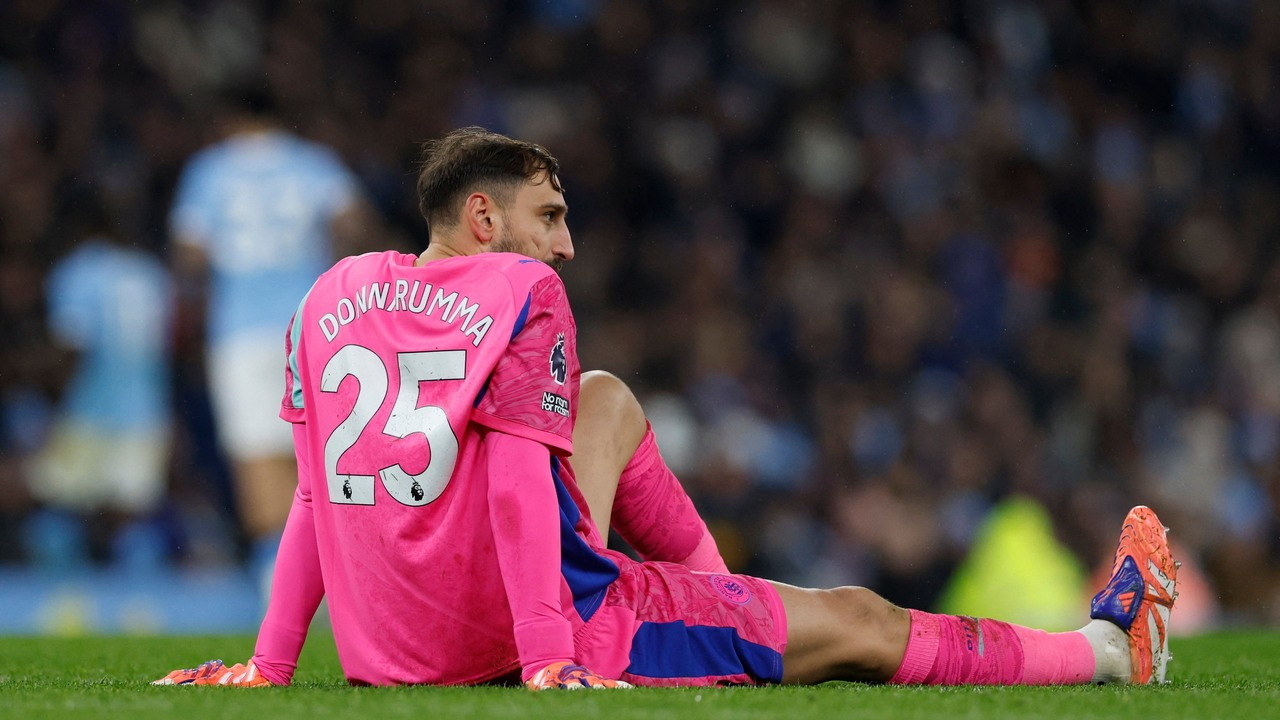
English football will test a new rule for goalkeeper injury stoppages. A team loses one outfield player temporarily when treatment enters the pitch. The trial has permission from the International Football Association Board.
The Premier League and several other competitions joined the planned test. It also covers men’s lower leagues and the Women’s Super League. The measure targets stoppages that act like unofficial coaching breaks.
The temporary reduction follows treatment
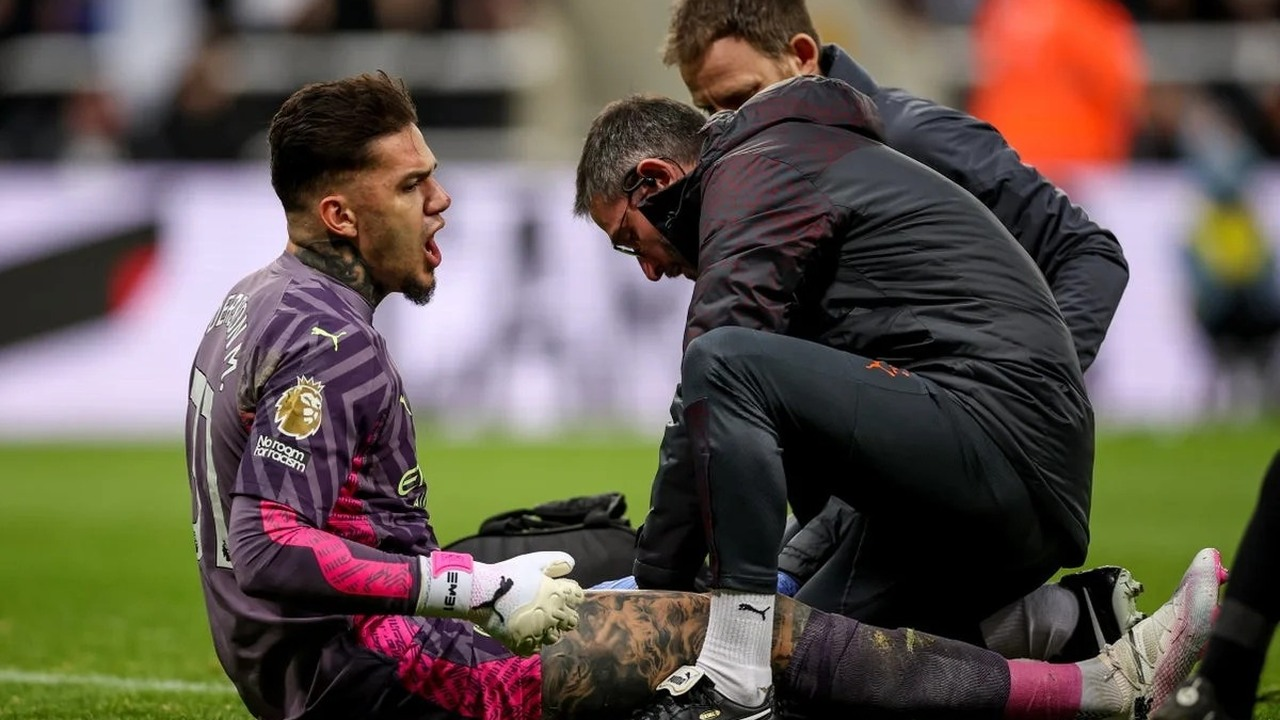
The process begins when medical staff enter to treat a goalkeeper. The coach then selects one outfield player to leave the pitch. That decision has to be made within a short countdown.
The selected player stays outside after the match restarts. A running minute passes before the player becomes eligible to return. The referee controls the timing and signals the re-entry.
If no player is selected, the team captain leaves instead. That condition prevents a coach from delaying the restart through indecision. The goalkeeper remains on the field after treatment is completed.
Serious injuries remain subject to normal medical and safety procedures. The trial does not limit the time needed for proper care. Its sporting consequence begins because treatment entered the playing area.
The rule changes player numbers without judging whether the injury is genuine. Officials do not have to accuse a goalkeeper of simulation. They apply the same temporary reduction after qualifying treatment.
Several leagues share the trial
The Premier League is part of a wider English agreement. The English Football League also joins across its professional divisions. The Football Association supports the test in selected competitions.
The National League and Women’s Super League are included as well. Using several levels gives organisers a broader set of match information. Officials will record how often the procedure is required.
IFAB oversees trials that alter the normal Laws of the Game. Competitions cannot introduce such a measure without formal permission. The English test therefore sits inside an international review process.
Referees and fourth officials need one consistent operating method. Teams also require the same explanation before the season starts. Clear signals reduce confusion when the first cases occur.
The experiment will produce information from many stadiums and match levels. That evidence includes timing, frequency and written referee reports. IFAB will review the full sample after the trial period.
Why goalkeeper stoppages drew attention
Goalkeepers usually remain on the pitch after receiving treatment. Outfield players often have to leave briefly in the same situation. That difference created an opportunity for longer tactical stoppages.
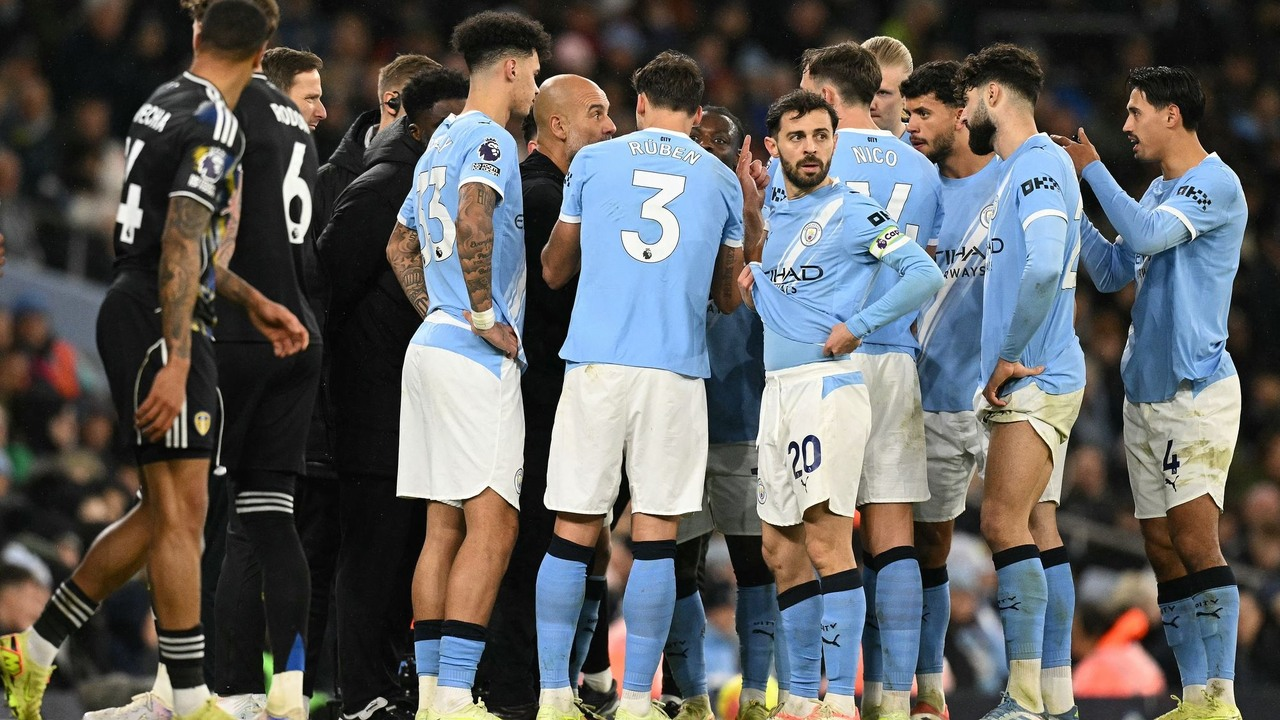
During a goalkeeper break, every player often approaches the technical area. Coaches may use the pause to deliver instructions and reorganise positions. The match then resumes without a numerical cost.
Repeated examples caused concern among clubs, officials and supporters. The problem was difficult to solve through added time alone. Extra minutes replace lost time but do not remove the coaching break.
The new trial changes that balance for a short period. Medical treatment remains available whenever the goalkeeper requires attention. The team then resumes with one fewer outfield player temporarily.
The approach avoids asking referees to assess a player’s private condition. Officials only observe whether treatment came onto the field. That visible event triggers the temporary procedure.
| Status | IFAB-approved trial |
|---|---|
| Trigger | Medical staff treat a goalkeeper on the pitch |
| Consequence | One outfield player leaves temporarily |
| Return | After one minute of restarted play |
A trial rather than a permanent law
The measure does not yet apply to every competition worldwide. It begins as a controlled experiment within approved English leagues. The results will inform any later decision by IFAB.
A successful trial still requires review before wider adoption. Administrators will examine fairness, safety and the effect on playing time. Referee feedback will form an important part of that assessment.
Clubs receive the rule before competitive matches begin. Coaches therefore know the consequence when medical staff enter. Players also understand who may be chosen to leave.
The one-minute period starts from the restart rather than the treatment. That detail ensures a real spell with reduced numbers. A long stoppage does not count toward the temporary absence.
English leagues will collect data from many professional matches. The rule links on-field treatment with a temporary player reduction. Its future depends on evidence collected during the coming season.
The sequence begins when treatment enters
The trial is activated when medical staff treat a goalkeeper on the pitch. One outfield teammate then leaves the field for the restart. The goalkeeper remains because the position cannot be left empty.
The selected outfield player waits beside the pitch for one minute. Play continues while that team has nine outfield players. The player returns after the temporary period ends.
Normal head-injury procedures remain separate from this measure. Officials also retain control when a serious injury needs longer treatment. Player safety still takes priority over the trial.
Referees record when treatment begins and when play restarts. The fourth official helps monitor the temporary absence. Clear timing is important because the match continues during it.
The temporary removal applies to the team, not the injured goalkeeper. It removes the numerical benefit of an extended stoppage. The practical effect begins only after the restart.
Several competitions provide different evidence
The Premier League joins the trial alongside lower professional divisions. Women’s competitions are also included in the English programme. That range produces evidence from different match environments.
Officials will record how often the measure is used. They compare treatment length before and during the trial. Reports will also note any unexpected problems.
IFAB approval allows testing without changing the permanent Laws of the Game. A trial has a defined period and reporting process. Permanent adoption would require a separate decision.
Goalkeeper treatment often stops play because no substitute position exists. Both teams usually move toward their coaches during that pause. The new procedure addresses the tactical use of those breaks.
The coming season will provide data from a full year of English matches. Referees, clubs and medical teams receive instructions before opening fixtures. The final assessment will use recorded incidents rather than impressions.
Exceptions remain under referee control
A collision sometimes requires urgent treatment without any tactical purpose. The referee applies the competition’s medical and concussion procedures. The new trial does not shorten necessary care.
Officials also decide which outfield player leaves for the temporary period. The choice follows the written competition protocol. Teams cannot use the moment for an unrestricted substitution.
Each incident becomes part of the season review. The recorded evidence includes timing, cause and restart details. IFAB examines that material before considering another step.

Comments
No comments yet — be the first to share your thoughts.