






















Arsene Wenger calls for wider access and patient youth development in US soccer
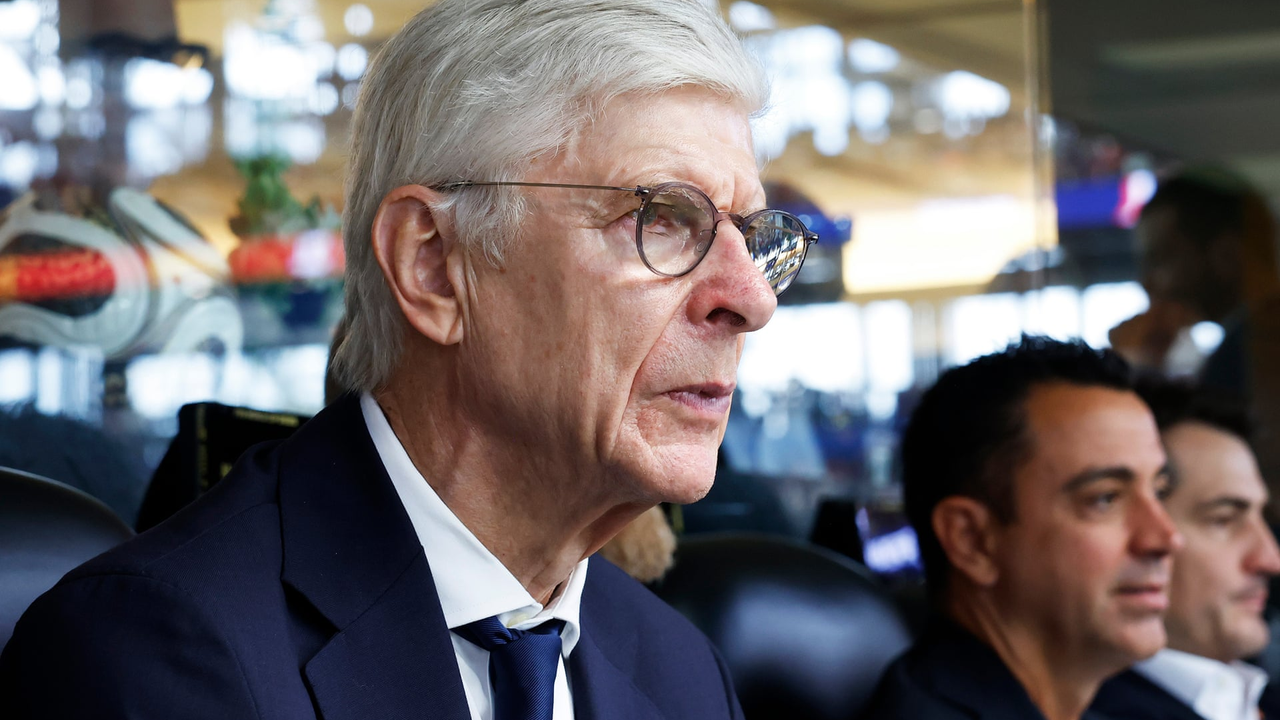
Arsene Wenger says US soccer development depends on wider access, educated talent identification and long-term consistency. FIFA’s head of global football development spoke at the new US Soccer headquarters in Fayetteville, Georgia.
He praised the investment but warned that facilities alone cannot create elite players.
Wenger focused on the cost of youth soccer in the United States. The pay-to-play model can exclude families who cannot afford large fees. He argued for a broader route into academies.
He also asked coaches to consider long-term potential instead of judging only the player’s current level.
Wenger placed access at the centre of the discussion
The former Arsenal manager opposed the exclusion of talented children whose families cannot afford organised football. His concern was directed at the pay-to-play structure in the United States.
He argued that a large country can still miss players when entry costs are high. The interview focused on access and patience, not on a new programme that has already been approved.
A scouting system cannot find the best players if many children never enter it. High fees reduce the size and diversity of the group. They can also make current family income more important than future sporting ability.
Wenger’s warning starts with that simple problem.
The United States has a very large player pool
Millions of children play football across the country, but they enter through schools, local clubs, academies and private competitions. Those routes do not always connect in the same way.
Wenger described the size of the country as both an advantage and a challenge. Finding talent requires contact with communities beyond the most expensive organised teams.
US soccer is spread across a large country and includes MLS academies, USL clubs, schools, community programs and private teams. One organisation cannot replace all of them.
The challenge is to create shared information and a clear route for a talented player to move upward.
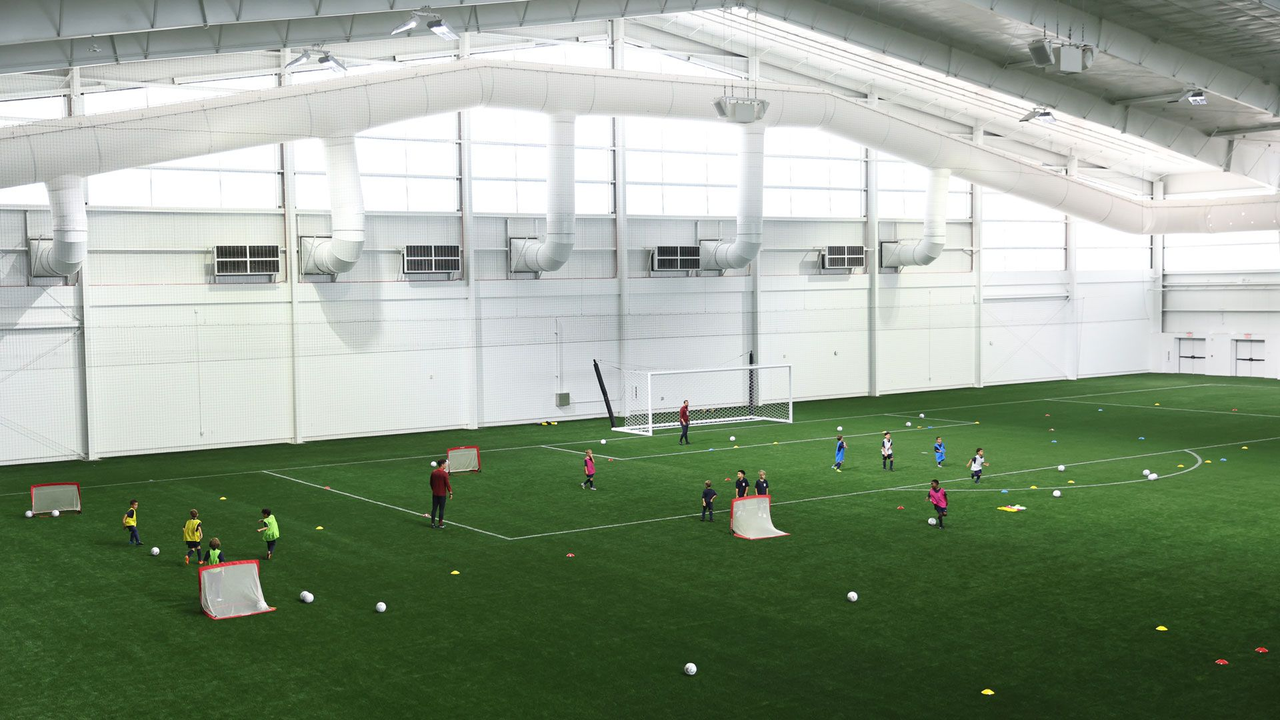
Coach education was another part of his argument
Young players spend more time with local coaches than with national selectors. Better coaching can help them learn the game and can make their progress easier to recognise.
Wenger did not publish a new list of tests or local targets. His point was broader: development depends on the quality of daily football as well as on elite facilities.
Regional differences will remain. A useful national policy can set coaching and welfare standards without forcing every city to copy the same daily model.
Local knowledge matters because travel, climate and available facilities change from one area to another.
The value placed on young talent is also visible in the market around one of Europe’s leading young midfielders.
The new national training centre is one resource
US Soccer is building a national training centre in Georgia. The site can bring teams, coaches and federation staff together in one place.
A headquarters cannot by itself remove travel costs or fees across the country. Wenger presented infrastructure as useful when it is connected to a wider development system.
The Fayetteville complex gives US Soccer a home for training, education and administration. It can bring national teams and coaches into one environment. That helps communication and makes high standards visible.
It does not automatically improve the weekly session at a local club.
He used France as a long-term example
Wenger referred to the long period required to build structures that consistently produce players. France developed its national network over many years rather than through one short campaign.
The comparison supports patience. It does not mean that the United States can copy every French institution or measure success through one identical set of numbers.

Wenger used the French academy system as an example. The first national structures opened in the 1970s, while major senior success came years later. Youth development cannot be judged by the result of one World Cup or one age group.
| Signal | Meaning |
|---|---|
| Main concern | Costly pay-to-play access |
| Key need | Coach education and talent identification |
| Approach | Long-term consistency |
Professional opportunities remain part of development
Senior matches form the next stage after academy football. Major League Soccer and other professional leagues have expanded the number of clubs and pathways available.
Wenger’s comments link youth access to that later stage. He did not name a required number of minutes or guarantee places for individual young players.
An academy can develop a player well and still lose the pathway when the first team offers no route. MLS and USL clubs already use reserve teams, loans and senior minutes for leading teenagers.
Reserve leagues, loans and carefully chosen senior minutes can bridge the gap between youth football and the full professional game.
The interview asks for patience and wider entry
Wenger’s message can be stated without turning it into an invented policy. Reduce barriers where possible, educate coaches and give the system enough time to develop.
US Soccer and individual clubs will make their own decisions. The confirmed news is the substance of Wenger’s interview during the 2026 World Cup.
Wenger’s position at FIFA gives the comments a global development context rather than a role inside one American club. US Soccer and its leagues retain responsibility for any policy that follows.


Comments
No comments yet — be the first to share your thoughts.