






















Arsenal and Manchester City open the English season in Cardiff
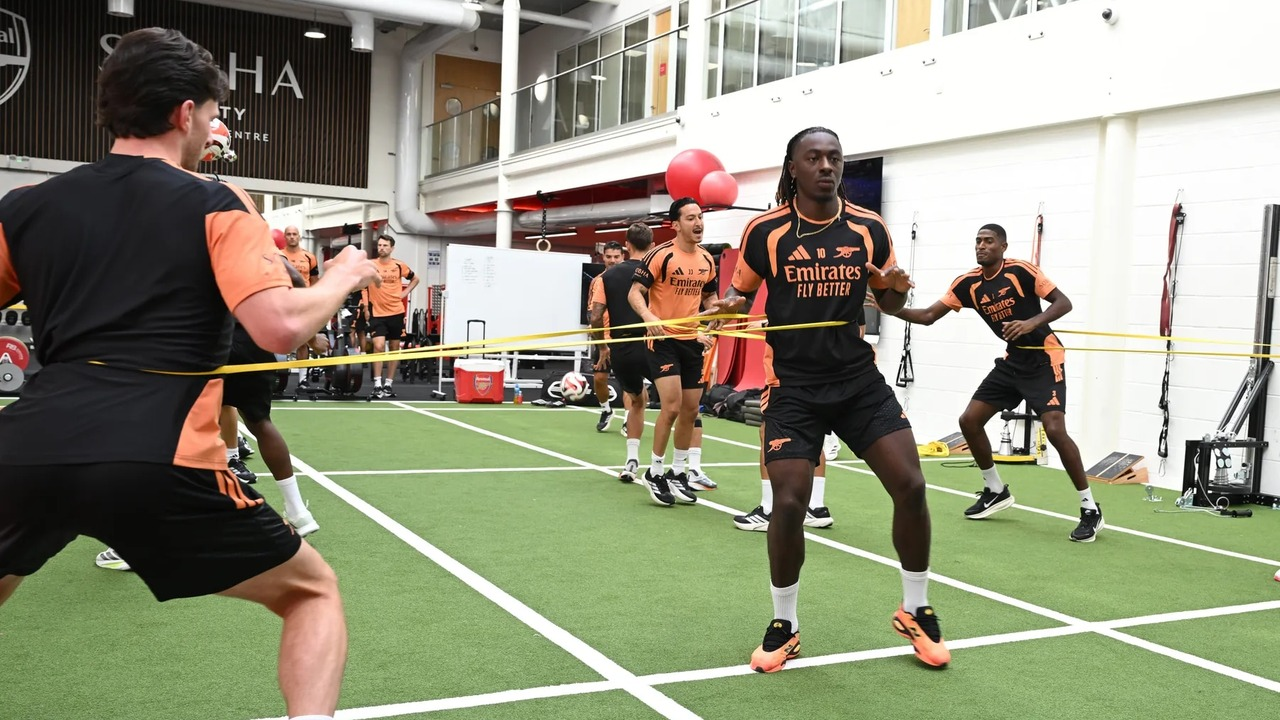
Arsenal and Manchester City meet in the Community Shield at the national stadium in Cardiff. The match brings together the Premier League champions and the FA Cup winners. It also moves the traditional season opener away from Wembley for this edition.
The game is the first competitive measure after pre-season. Both teams arrive with strong squads, but their preparation has followed different schedules. Cardiff offers a neutral venue and a familiar large-stadium setting one week before the league programme gathers pace.
Cardiff hosts the match for the first time in twenty years
The national stadium last staged the Community Shield in 2006. Wembley was being rebuilt at that time, so Cardiff regularly hosted major English finals. Its return gives this year’s match a different visual and travel setting. The roof and steep stands can create a loud atmosphere. Organisers choose the final roof position according to conditions and event plans. Players still compete on a standard football pitch with the same match rules.
Supporters from London and Manchester face different routes than a normal Wembley trip. The venue has rail links close to the city centre. Matchday planning remains important because two large groups arrive during the same period.
Arsenal bring the league title into the new campaign
Arsenal earned their place through the Premier League. The team built its season on controlled possession, a strong defensive record and reliable set pieces. The Shield gives the champions an immediate match against another leading side. Their buildup relies on patience against City’s first line of pressure. Central players create passing angles while protecting the defence.
Wide defenders add another option, but their movement also opens space behind them.
Arsenal‘s attacking work depends on timing near the penalty area. Quick combinations can move a compact defence. Early crosses are useful only when enough runners reach the box and the team remains protected against a counterattack.
Manchester City arrive as FA Cup winners
City qualified by winning the FA Cup. Knockout football required the team to manage several different match situations. That experience fits a one-game event where there is no second leg. City’s midfield can change positions during possession. One player may drop beside the defenders while another moves closer to the forwards. Arsenal need clear communication so those rotations do not create an unmarked receiver.
The same movement can leave City open after losing the ball. Their nearest players try to stop the first counterattacking pass. Arsenal can create danger if they escape that pressure with one accurate touch.
| Team | Reason for qualification | Venue |
|---|---|---|
| Arsenal | Premier League champions | National stadium in Cardiff |
| Manchester City | FA Cup winners | National stadium in Cardiff |
Set pieces may decide a close match
Early-season matches sometimes lack the fluid rhythm seen later in the year. Set pieces then carry greater weight. Both clubs have players who can deliver accurate corners and attack the ball in crowded areas. Defensive organisation begins before the kick is taken. Markers track movement while a spare player protects the near-post area. The goalkeeper decides whether to claim the cross or remain on the line.
Free kicks around the box create a different choice. A direct shot may be available, but a short pass can change the angle.
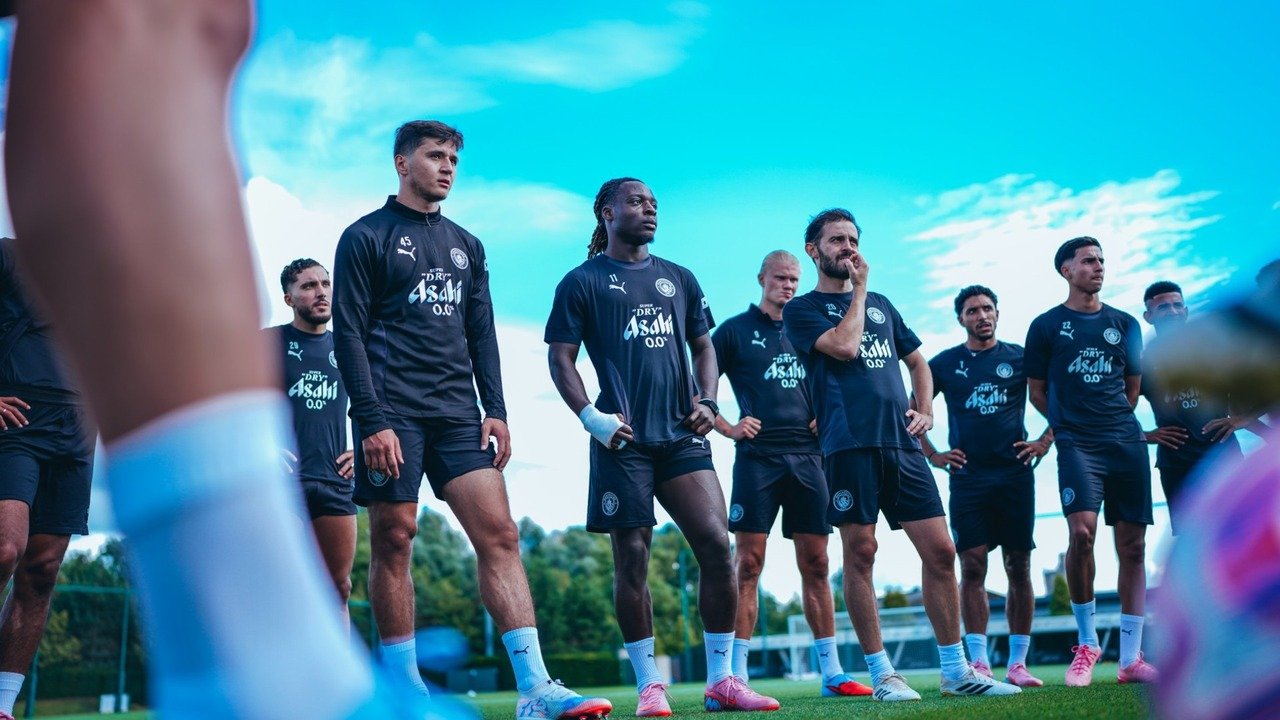
Teams prepared these routines during the summer and now use them in a competitive match.
The Shield offers a trophy and an early reference point
The winner receives the first trophy of the English season. The result can support confidence, but it does not define the league campaign. Both teams still have many months of competition ahead. Coaches use the match to confirm which summer ideas remain effective under pressure. Substitutions can address fitness as well as tactics. A player who started training late may receive a shorter role.
Arsenal and City know each other well, yet Cardiff changes the normal routine. The neutral venue, competitive rules and strong opposition create a useful opening test. The match provides real evidence before the league schedule begins.
Penalty kicks remain part of the match plan
The Community Shield ends with one winner. A penalty shootout follows when the score is level after normal time. Both teams prepare penalty takers and goalkeeper information before kickoff. Substitutions sometimes remove a player from the planned penalty list. Staff therefore prepare more than five possible takers. Medical staff also confirm each player’s condition after the final minutes.
Goalkeepers study approach angles and previous kicks, but the striker still controls the immediate duel. Waiting too long for a perfect clue can delay the dive. Committing too early leaves the other side open. Penalty preparation does not mean the teams expect a draw. It removes avoidable uncertainty if the match reaches that point. The same calm planning supports set pieces and late substitutions during normal play.


Comments
No comments yet — be the first to share your thoughts.