






















Messi scored twice as Inter Miami beat San Luis 4-2
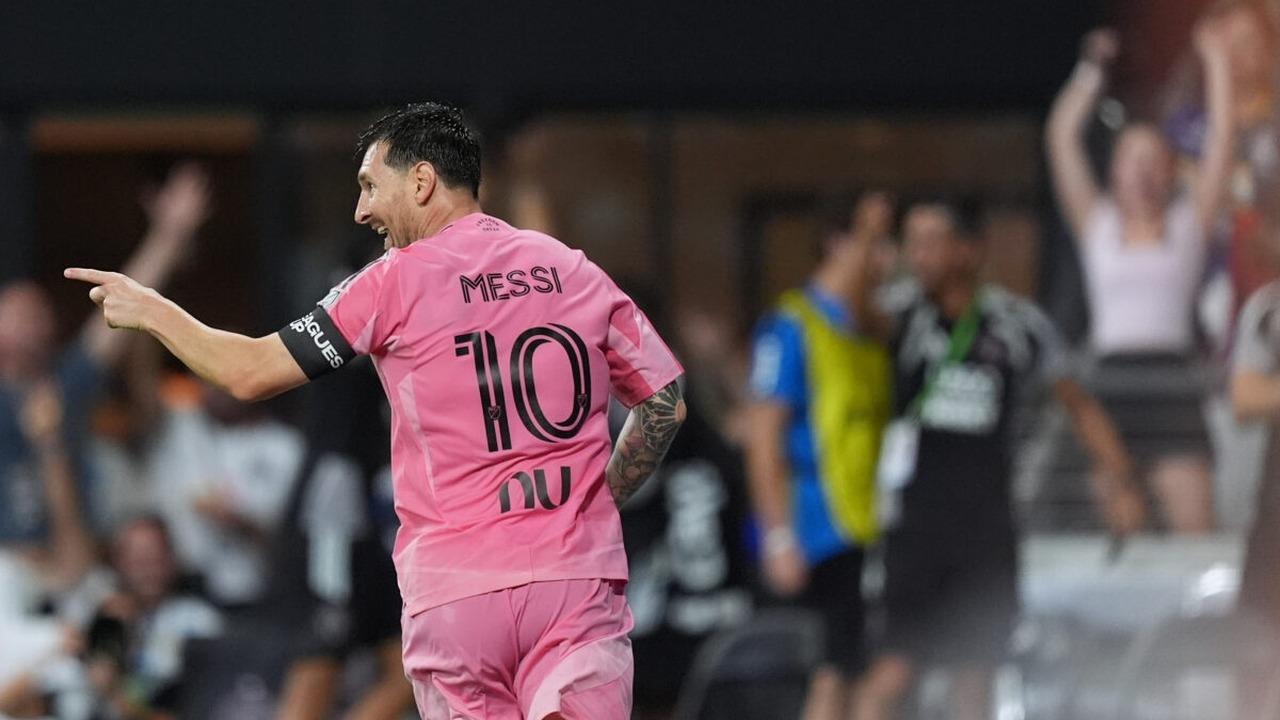
Inter Miami recovered from an early setback to defeat San Luis 4-2 in the Leagues Cup. The home side scored all four goals before half-time.
Lionel Messi scored twice and took the corner that Mikael converted. Telasco Segovia also scored during Miami’s decisive attacking spell.
San Luis scored the opening goal
San Luis entered the match with an aggressive approach and took an early lead. That goal forced Miami to increase its speed in possession. The response came through quick combinations around the penalty area. Miami began moving the ball with fewer touches and found Messi between defensive lines. The Argentine captain equalised with a controlled volley. He struck the ball accurately and directed it beyond the goalkeeper before the defence could close him.
Miami continued attacking after the equaliser. Segovia joined the forward line from midfield and completed another move during the same strong period. Greek full-back Noah Allen played an important creative role. He supplied three assists and repeatedly offered support on the outside of Miami’s attacks. San Luis still carried danger when it broke forward. The visitors did not simply protect their early goal, which helped create an open first half.
Messi changed the score before the interval
Messi’s second goal came from another precise shot. He sent the ball under the crossbar and gave the goalkeeper little time to react. The forward then created Miami’s fourth goal from a corner. Mikael reached the delivery and completed a remarkable first-half turnaround. Miami had moved from one goal behind to a commanding lead. The change came through accurate final passes rather than a large number of hopeful shots.
Allen’s work gave the team width, while Messi moved freely inside. Segovia’s runs added another attacking option and prevented San Luis from focusing on one player. The visitors struggled to defend those different types of attack. They could close the centre or protect the outside, but Miami quickly moved the ball toward the available space. Four goals before the break decided the main direction of the match. Miami entered half-time with control of the score and greater freedom to manage the second period.
Miami protected the lead after half-time
San Luis scored again after the break and kept the contest active. Miami therefore needed to remain organised rather than treating the game as complete. The home side reduced its attacking risk and protected the central areas more carefully. This approach limited the chance of a second rapid comeback. Messi continued connecting midfield with attack, although the frantic first-half rhythm did not return. Miami used possession to shorten the periods of pressure from San Luis.
Defensive work became more important during the final minutes. Players tracked runners and avoided giving away simple chances near the box. San Luis kept competing but could not cut the margin to one goal. Miami saw out the closing minutes and secured its opening victory in the competition. The final score reached 4-2 after an open second half. Six goals reflected an open game, but Miami’s first-half accuracy created the decisive difference.
Four Miami players contributed to the goals
Messi received the main attention because of his two goals and assist. The wider performance also included important contributions from Allen, Segovia and Mikael. Allen’s three assists showed how much space Miami created from deeper wide positions. Segovia offered movement through midfield, and Mikael converted a set-piece delivery. Coach Guillermo Hoyos compared Messi’s volley with a work by Pablo Picasso. The description reflected the quality of the shot, although the result depended on several players.
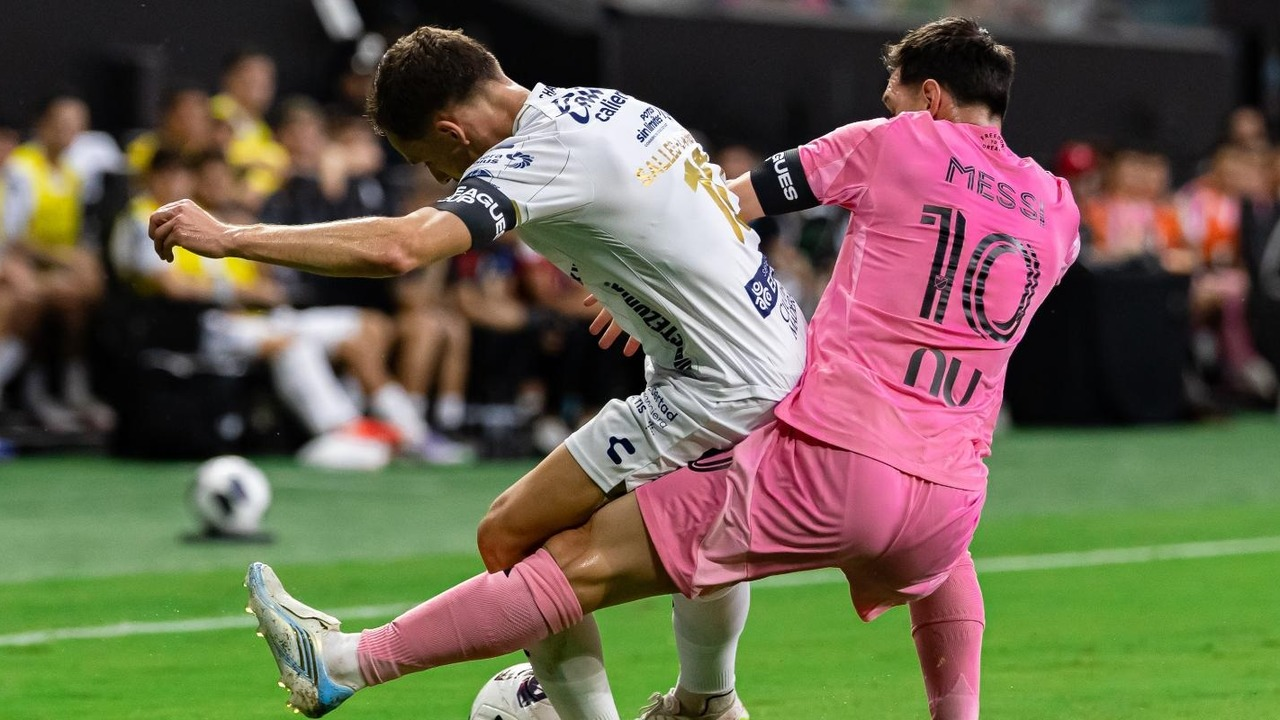
Miami now prepare for a match against Monterrey. The next opponent will present another test of defensive balance and control during transitions. The San Luis game supplied a positive opening result. It also showed why Miami cannot allow early defensive gaps against stronger attacks. Messi scored twice, while Segovia and Mikael added one goal each. Inter Miami therefore had three different scorers in the 4-2 win.
Allen supported Miami’s attacks from the left
Allen’s three assists came from a supporting position rather than the central forward line. His timing gave Miami an extra passing option whenever San Luis narrowed its defence. Messi could then move inside without leaving the entire flank empty. The defender continued forward and delivered useful balls before the visitors recovered.
Segovia’s goal rewarded another run from behind the main attack. Mikael later converted the corner, giving Miami scorers from three different roles. The first-half total therefore reflected coordinated movement around Messi. His quality remained decisive, while teammates gave each attack enough width and depth.
Comments
No comments yet — be the first to share your thoughts.