






















PSG suffer 3-0 pre-season defeat against Mallorca
Mallorca defeated Paris Saint-Germain 3-0 in one of the French club’s first pre-season tests. Mallorca defended with discipline and converted its best chances.
Jan Virgili created the opening goal for Zito Luvumbo and then scored the second himself. Antonio Raillo completed the result early in the second half.
Mallorca controlled the important moments
PSG began with only a small number of regular first-team players. Goalkeeper Matvey Safonov and winger Khvicha Kvaratskhelia provided senior experience in a changed line-up. Mallorca did not allow the difference in reputation to affect its approach. The Spanish side stayed compact without the ball and attacked quickly after winning possession. Virgili supplied the first decisive action in the 21st minute. His pass found Luvumbo, who completed the move and gave Mallorca a deserved lead.
PSG tried to respond through wider attacks. Kvaratskhelia received the ball in advanced positions, but Mallorca kept enough defenders between him and the goal. The French side had possession without creating the same quality of final chance. Mallorca remained patient and waited for another opening rather than chasing the ball everywhere. That approach produced a second goal before half-time. Virgili moved from creator to scorer and doubled the lead in the 40th minute.
Raillo ended PSG’s hopes of a quick response
PSG needed a strong start after the interval. Instead, Mallorca extended its lead six minutes into the second half through experienced defender Raillo. The third goal changed the remaining contest. Mallorca could protect its shape, while PSG had to attack against a settled defensive block. Pre-season substitutions also affected the rhythm. Both teams distributed minutes across their squads, and the match became less continuous after the changes.
PSG’s younger players gained experience against organised senior opposition. They had to build attacks with limited space and recover quickly after losing possession. Mallorca continued blocking passes through the centre. The Spanish side also avoided unnecessary risks near its own penalty area and cleared danger when a shorter pass was unavailable. Safonov conceded three goals across the match. The score reflected problems in front of him rather than one repeated goalkeeping error.
PSG gave playing time to several young players
The result arrived during an early stage of PSG’s preparation. Many established players were absent, and the available group had limited time together before the match. That context explains the experimental line-up but does not remove Mallorca’s achievement. The winning side followed a clear plan and punished mistakes with accurate attacks. Virgili was central to that success. His assist opened the match, while his own goal established a two-goal cushion before the interval.
Luvumbo gave Mallorca an active outlet in attack. His movement offered a direct passing option whenever the team recovered the ball under PSG pressure. Raillo added the final goal from defence. Three different scorers made the result broader than one player’s individual performance. PSG could review how its young players reacted after falling behind. The team kept trying to play, but its possession rarely became a clear shooting opportunity.
PSG next play Manchester United
PSG’s schedule continues with a friendly against Manchester United. That match will offer another chance to increase playing time and restore more senior names. The coaching staff can use the Mallorca game as a direct reference. The largest problems appeared when PSG lost the ball and failed to protect space behind midfield. Attacking work also lacked the final connection. PSG reached promising areas but often allowed Mallorca to organise before attempting the decisive pass.
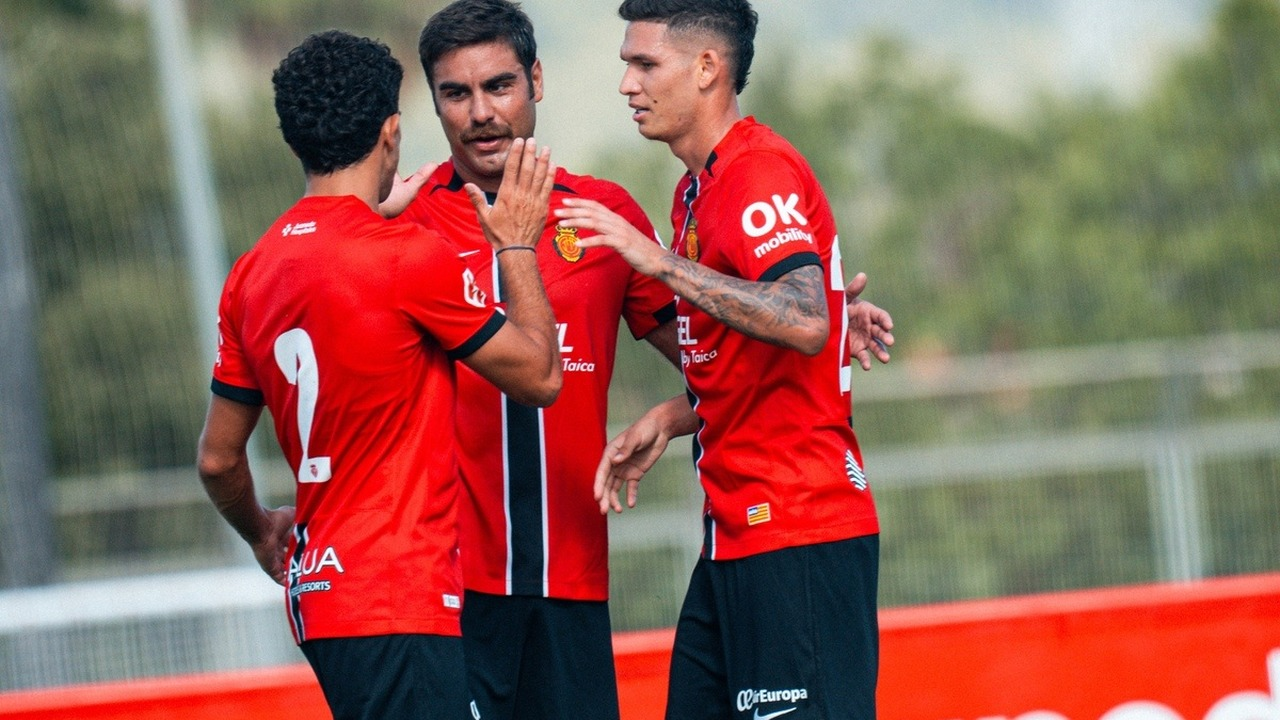
Mallorca leave with a notable result after conceding no goals. Their defensive concentration remained strong even after several substitutions. Friendly scores do not add league points, yet performances still reveal useful details. Mallorca were organised, direct and accurate during the decisive periods. Mallorca scored twice before half-time and once after the break. PSG did not score during the full match.
Mallorca used a more settled starting lineup
Mallorca used a group with established senior connections. Many players already understood the distances required between its defensive and midfield lines. PSG combined a few regulars with younger players and less familiar partnerships. That difference appeared whenever possession changed quickly.
Kvaratskhelia offered individual skill on the left, but support did not always arrive at the same moment. Mallorca could therefore send two defenders without leaving a simple pass elsewhere. The Spanish side used its familiarity to close gaps and launch direct attacks. Three well-taken goals then turned that organisation into a notable score.
Comments
No comments yet — be the first to share your thoughts.