






















Leeds beat Liverpool 4-2 and win the Premier League Summer Series

Leeds United beat Liverpool 4-2 after a rapid second-half comeback at Soldier Field. The result gave Leeds the Premier League Summer Series title on goal difference.
Liverpool led by two goals before the hour mark. Leeds then scored four times during the final half hour. Three different players contributed to a complete change in the match.
Liverpool controlled the opening forty minutes
Liverpool moved ahead after seven minutes through Luke Chambers. The young midfielder completed an early attack before Leeds settled into its defensive shape.
Florian Wirtz doubled the lead five minutes before halftime. Liverpool carried a two-goal advantage into the interval and appeared close to controlling the result.
Leeds had struggled to turn possession into clear chances. Liverpool moved the ball quickly and found space behind the first line of pressure.
The score also placed Liverpool in a strong position for the tournament title. Both clubs entered the final match with a chance to finish first.
Leeds returned with greater speed in wide areas. The improved tempo forced Liverpool to defend more often near its own penalty area.
The first response arrived through Brenden Aaronson on sixty minutes. His goal reduced the deficit and gave Leeds enough time to continue attacking.
Dominic Calvert-Lewin equalised eleven minutes after Aaronson. Leeds had erased the entire deficit before Liverpool could restore its earlier control.
Sean Longstaff then placed Leeds ahead two minutes later. The turnaround moved from a possible recovery to a winning position within a short period.
Liverpool attempted to raise its pressure after falling behind. Leeds protected central space and continued looking for chances during transitions.
Calvert-Lewin scored again near the end. His second goal settled the contest and completed a four-goal half for Leeds.
Joe Rodon redirected the ball before Calvert-Lewin scored his first. The striker later headed a Sebastiaan Bornauw cross past the goalkeeper.
The striker’s two finishes came from different moments in the attack. He provided a central target and stayed available when Liverpool’s defence became stretched.
Calvert-Lewin and Aaronson had both started on the bench. Their arrival gave Leeds a stronger presence around Liverpool’s penalty area.
Both Calvert-Lewin goals followed set-piece situations. Leeds used accurate deliveries and fresh players to attack central space.
Aaronson and Longstaff gave the comeback more than one route. Leeds did not depend on repeated service toward the same player.
Goal difference separated the leading clubs
Leeds and Liverpool both completed the series with six points. Goal difference separated them in the final table.
Leeds finished with seven goals scored and five conceded. Liverpool also scored seven but allowed six across its tournament matches.
One goal separated the clubs in the final calculation. Calvert-Lewin’s late goal decided the title on goal difference.
The format rewarded results across the full series. Leeds recovered from earlier difficult periods and ended with the best overall balance.
Preseason trophies do not carry league points. The competition still provided three demanding matches against teams preparing for the same domestic season.
Leeds also showed that its substitutes and new combinations could change a game. That evidence came against a Liverpool side with many senior players involved.
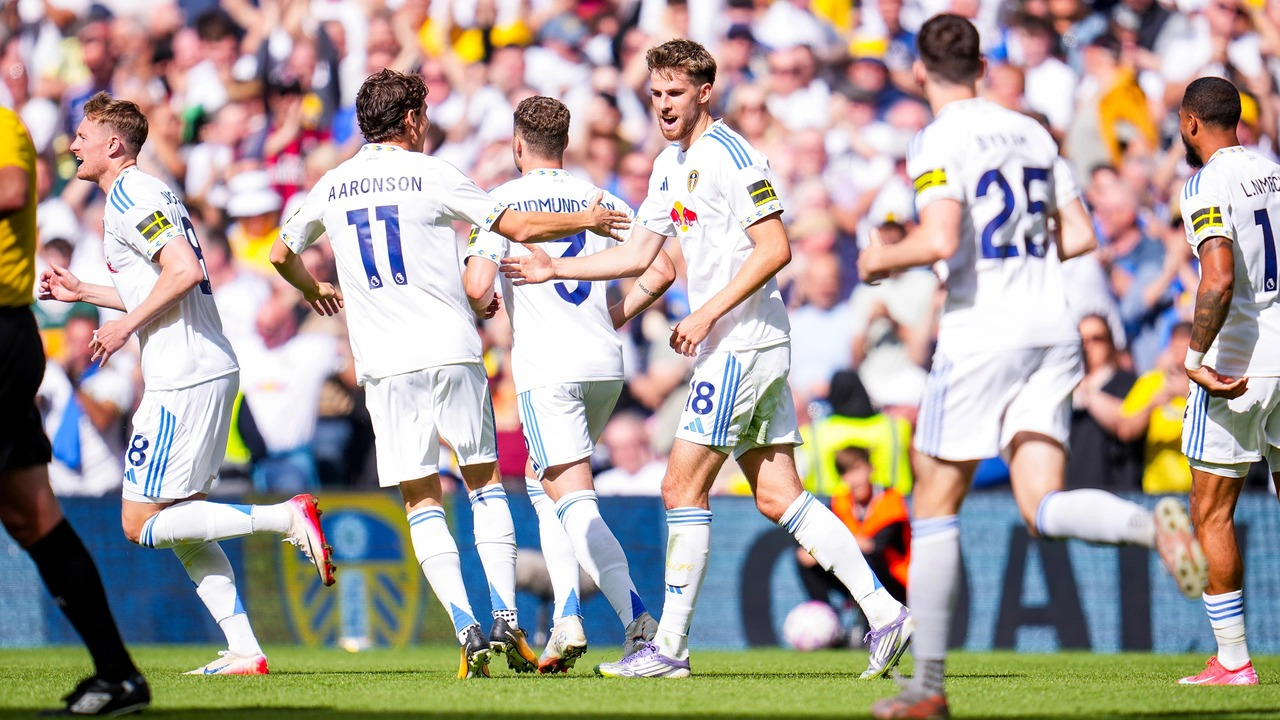
Chicago witnessed a comeback rather than a friendly finish
Soldier Field hosted a match with a clear competitive edge. The title remained open, and both clubs used the final fixture to pursue it.
Liverpool’s first-half lead came from controlled football rather than isolated chances. The collapse followed when Leeds raised its pressure and finishing quality.
Four goals in thirty minutes changed the impression of the whole evening. Leeds responded to conceding without rushing every attack.
Liverpool leaves the series with the same points total as the winner. The extra goal conceded in Chicago became the decisive difference.
Leeds leaves with a trophy and a useful attacking performance. Aaronson, Longstaff and Calvert-Lewin all produced direct contributions.
The final score also gave the series a clear conclusion. Leeds won the deciding match and finished first through the stated tournament rules.
The final table was settled by the four-goal response
Leeds entered the closing stage with the match moving away from them. Liverpool’s two-goal advantage also strengthened its position in the summer table.
The first Leeds reply changed both calculations. A second goal then removed Liverpool’s control before the final minutes began.
Leeds kept attacking after the equaliser instead of protecting a draw. The third finish completed the comeback, while the fourth changed the goal difference.
That final margin became important because the leading clubs finished level on points. Leeds took the series title through the stronger scoring balance.
The result also reflected the competition’s short format. Every goal carried more weight across a schedule with only a few matches.
Liverpool had created the better opening period and still left without the trophy. Leeds changed the outcome through one sustained second-half spell.
Soldier Field hosted the match that decided the series. Leeds claimed the trophy after scoring four second-half goals.


Comments
No comments yet — be the first to share your thoughts.