






















Hibernian overturn two-goal deficit with 4-1 win over Malisheva
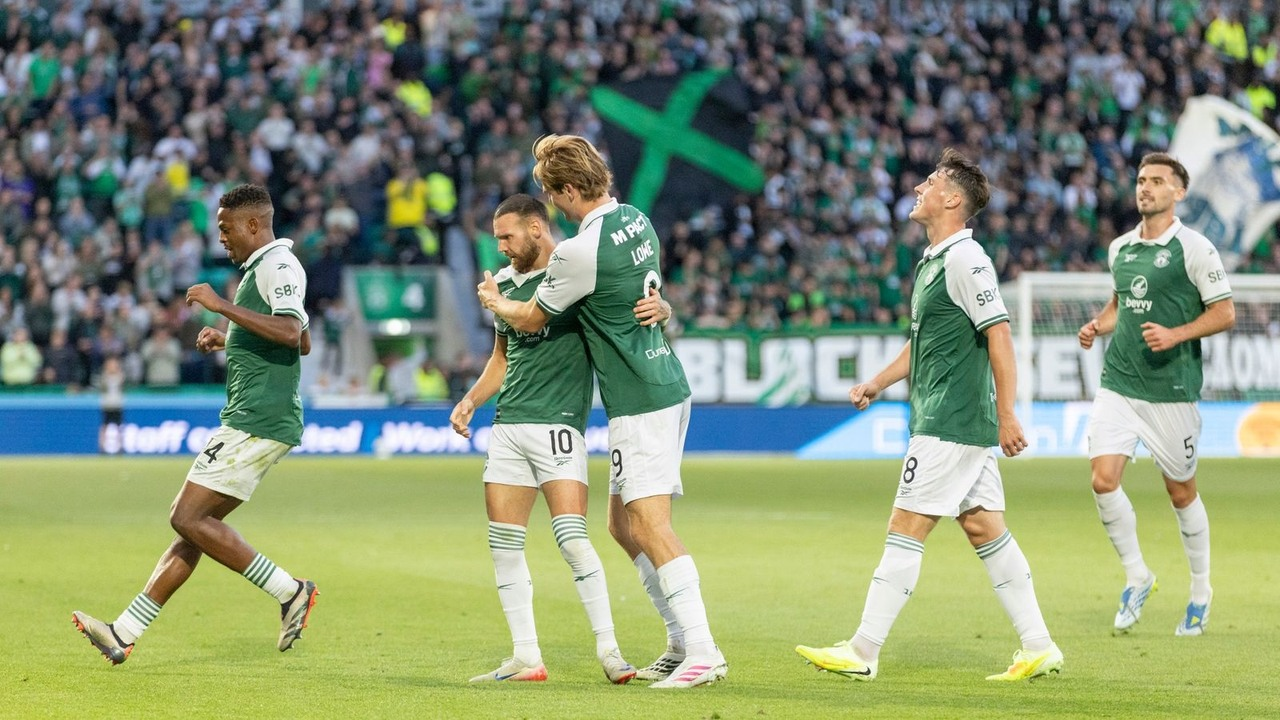
Hibernian produced a strong European comeback by beating Malisheva 4-1 in Edinburgh. The Scottish club had lost the first leg by two goals in Kosovo. Its home victory changed the aggregate score to 4-3.
Easter Road gave the return match a very different setting. Hibernian attacked with greater speed and created early pressure around Malisheva’s penalty area. The visitors still carried a threat when they moved forward.
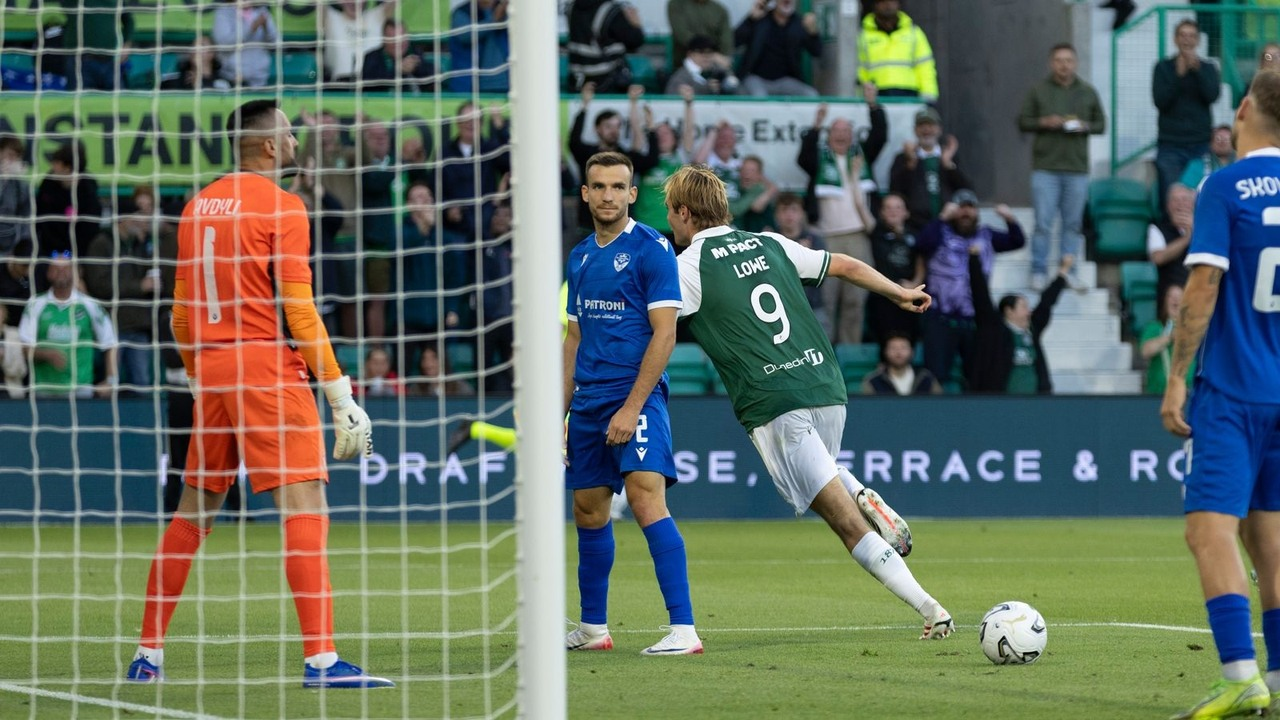
Martin Boyle scored with a powerful finish during the comeback. Nathan Lowe then made the score 3-0 after 35 minutes. Malisheva’s goal kept the tie tense before Hibernian finished the job.
The first leg created a demanding starting point
Malisheva entered the second meeting with a 2-0 advantage. That result had rewarded a disciplined home performance in Kosovo. Hibernian returned to Scotland knowing that one goal would not be enough.
The deficit changed the rhythm from the opening minutes at Easter Road. Hibernian moved the ball forward quickly and placed more players near the box. Malisheva attempted to protect central space and attack after turnovers.
A European knockout tie often changes after the first home goal. The crowd becomes louder while the defending team feels the aggregate pressure. Hibernian used that shift to keep attacks close together.
The Scottish side did not treat the whole deficit as one action. It built pressure through repeated entries and second balls. That approach created the platform for a high-scoring first half.
Boyle and Lowe changed the shape of the tie
Boyle’s goal gave Hibernian an important technical and emotional lift. His finish reduced the aggregate gap and rewarded the strong opening period. Malisheva then faced a longer defensive stretch than planned.
The home side kept creating chances instead of protecting the first goal. That decision maintained pressure on the visitors’ back line. It also prevented Malisheva from controlling possession for long periods.
Lowe’s goal after 35 minutes placed Hibernian three ahead on the night. The aggregate score had moved from a clear deficit to a home advantage. Easter Road responded to the rapid change with sustained noise.
Malisheva did not disappear from the contest after that difficult spell. The visitors found a goal and reduced Hibernian’s margin. That moment restored the danger of one more decisive swing.
A fourth goal finally protected the comeback
Hibernian needed another goal because the aggregate lead remained narrow. A second Malisheva strike would have changed the situation again. The home side therefore continued looking for space in transition.
The fourth Hibernian goal created the final 4-1 score. It gave the Scottish club a one-goal aggregate victory. The remaining minutes became a test of concentration rather than creativity.
Malisheva left the competition after contributing to an open two-leg contest. Its first-leg performance had placed Hibernian under serious pressure. The away goal in Edinburgh also stopped the return from becoming comfortable.
Hibernian’s response came through a much stronger attacking performance. Four goals were required to overcome both the deficit and Malisheva’s reply. The final aggregate score showed how little separated the teams.
Shkendija waits in the next round
The victory sends Hibernian into a third qualifying round against Shkendija. That tie brings another opponent with recent European qualifying experience. Hibernian will enter it after surviving a severe early warning.
The Malisheva meetings showed Hibernian’s attacking range. The team created enough chances when forced to chase a result. Boyle and Lowe both contributed during the decisive home response.
The defensive side of the tie remains equally important. Hibernian conceded three times across the two matches. Those goals kept the contest alive until the final part of the return.
For the supporters, the main memory will be the turnaround at Easter Road. A two-goal deficit became a 4-1 victory in one evening. That change carried Hibernian into the next European round.
One home performance rescued the campaign
Knockout football gives every first-leg mistake a visible cost. Hibernian began the return with no room for a passive approach. Its early pressure showed a clear response to the result in Kosovo.
The comeback also depended on maintaining belief after Malisheva scored. That away goal could have broken the home side’s momentum. Hibernian instead found the additional goal needed for qualification.
Malisheva earned respect by making the tie competitive across both legs. The Kosovan side travelled with a deserved lead and scored in Edinburgh. Only Hibernian’s four-goal response removed that advantage.
The final result combined urgency, finishing and control under pressure. Hibernian repaired the damage from the first meeting. The club now continues its Conference League qualifying campaign against Shkendija.

Comments
No comments yet — be the first to share your thoughts.