






















Craig Gordon ends his playing career after more than two decades
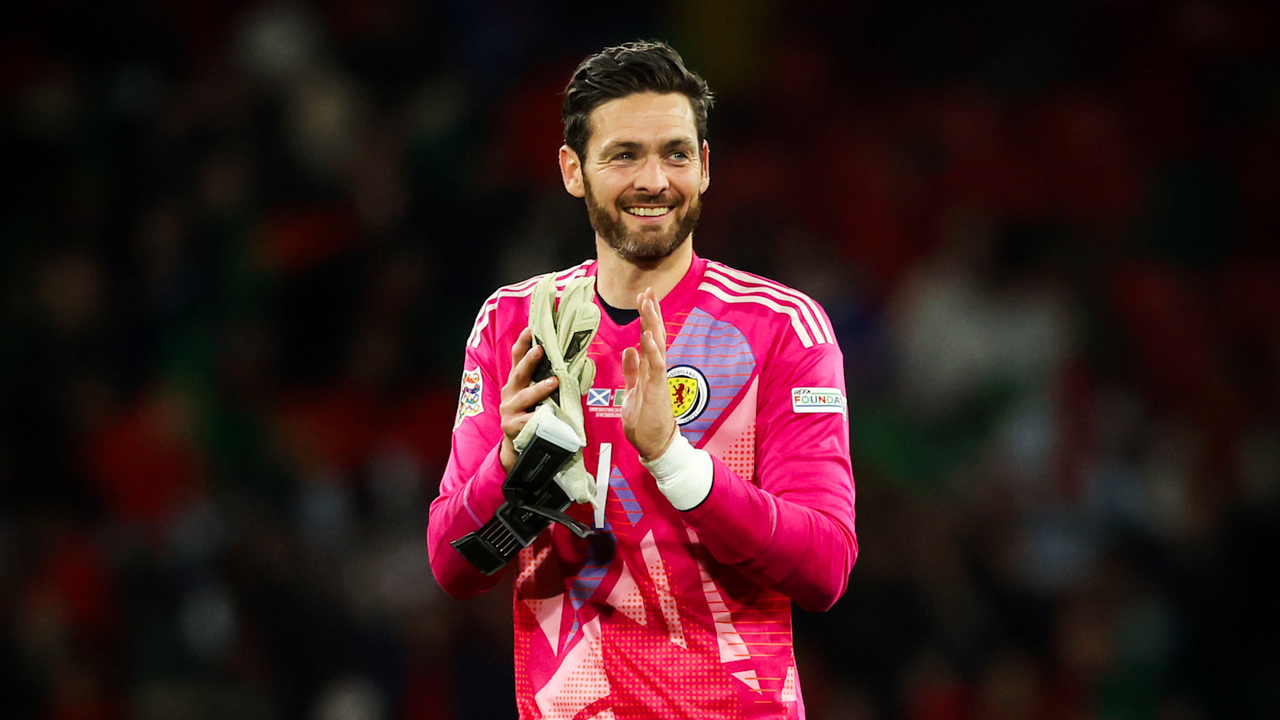
Craig Gordon has ended his playing career after more than two decades as a senior goalkeeper. The Scottish FA marked the decision with a public message of thanks.
Gordon leaves the game after representing Scotland across several generations and after returning from injuries that could have ended his career much earlier.
His career included long spells with Hearts, a move to Sunderland and domestic success with Celtic. The final record matters, but it does not fully explain his place in Scottish football.
Gordon remained useful because his positioning, preparation and calm communication continued to support younger defenders.
Longevity came from repeated adjustment
Gordon used a different physical routine at 40 from the one that worked at 25. Gordon had to change training loads, recovery and the way he prepared between matches.
Experience helped him read attacks earlier, so every save did not depend on a late and explosive movement.
That adjustment is part of his achievement. Remaining in professional football is not only a question of motivation. Gordon accepted new limits and relied more on experience.
Gordon kept competing because he adapted instead of trying to copy a younger version of himself.
Serious injuries changed the shape of the career
Gordon spent long periods away from matches and had to rebuild basic movement before thinking about selection. A goalkeeper returning from injury depends on trust in the leg when landing, pushing sideways and entering contact.
That confidence develops through careful repetition, not one brave training session.
His returns gave the later years a different meaning. They were not a simple extension of an easy career. Each comeback required medical work, patience and a willingness to begin below the previous level.
The final retirement follows a career that had already survived several possible endings.
Scotland used more than his saves
International football offers little training time. A goalkeeper who understands the defenders can help the team organise quickly. Gordon could call the line, identify a free opponent and decide when to leave his area.
Clear information reduced the number of emergency actions required later.
Younger players also saw how an experienced professional prepared. That example has value only when the habits are real.
Arriving ready, accepting selection decisions and staying involved from the bench can support a squad even when another goalkeeper starts.
The goalkeeper market has also moved through Emily Ramsey’s next step as a goalkeeper.
| Signal | Meaning |
|---|---|
| Player | Craig Gordon |
| Position | Goalkeeper |
| Decision | Retired from professional football |
His club career crossed different demands
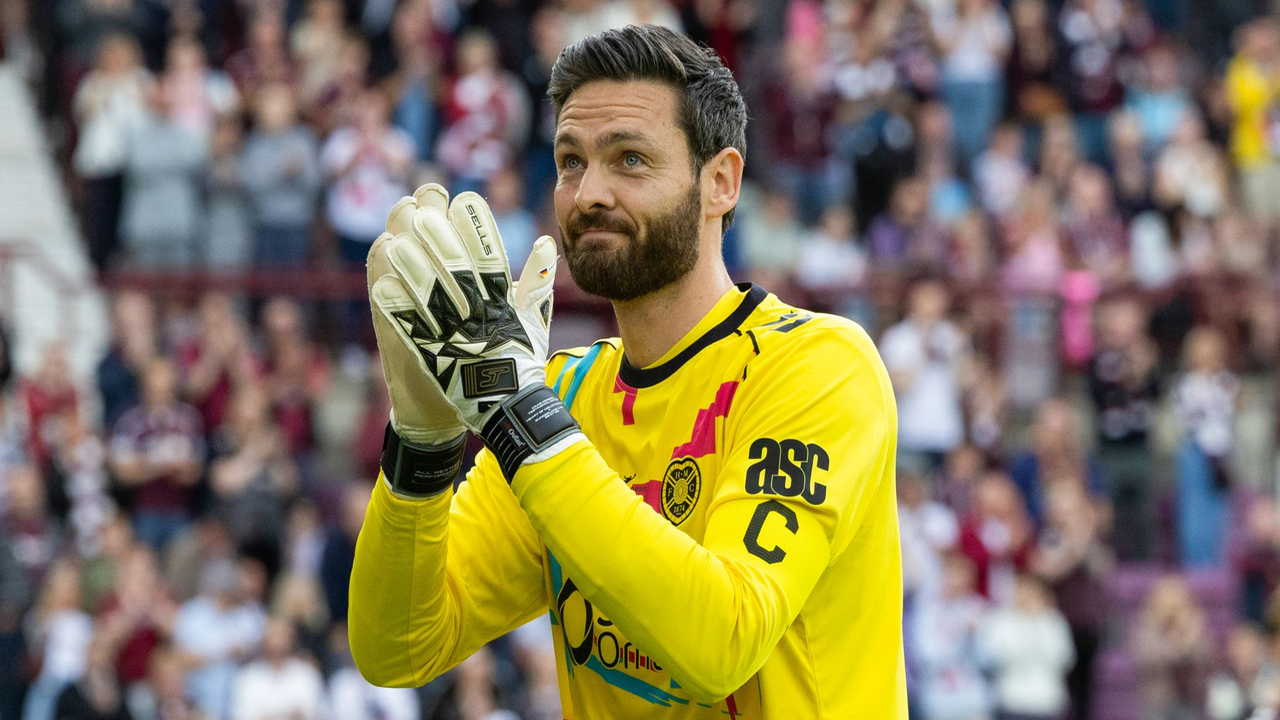
Hearts gave Gordon his route into senior football and later welcomed him back. Sunderland brought the speed and pressure of the Premier League. Celtic expected domestic control and regular victories.
Each environment asked the goalkeeper to solve a different type of match.
A team under pressure may face many shots and crosses. A dominant side may face one decisive save after a quiet hour. Gordon learned both tasks.
That range helps explain why different managers trusted him and why his career cannot be reduced to one club or one period.
Retirement does not erase the late-career level
A player can decide to stop while still able to contribute. The public often treats retirement as proof that the final performances were poor. Gordon’s decision is better understood as the end of a complete cycle after a rare length of service.
The choice also allows the body to leave the daily demands of elite training. Goalkeepers absorb repeated impact through diving and contact. Recovery becomes part of the job.
Ending that routine is a major change even when the player is certain that the timing is right.
His final decision belongs to the player
Gordon announced that he was ending his playing career. The statement closed the active part of a career that began with Hearts more than two decades ago.
No coaching, media or club position was confirmed with the retirement news. Gordon’s next role remains open.
The farewell records an exceptional number of comebacks
Serious injuries interrupted Gordon’s career, but he returned to play for Hearts and Scotland. His longevity is supported by appearances across several generations of teammates.
The retirement announcement allows those facts to stand without claiming that he stopped because of one match or one period of form.
His playing record now has a final date
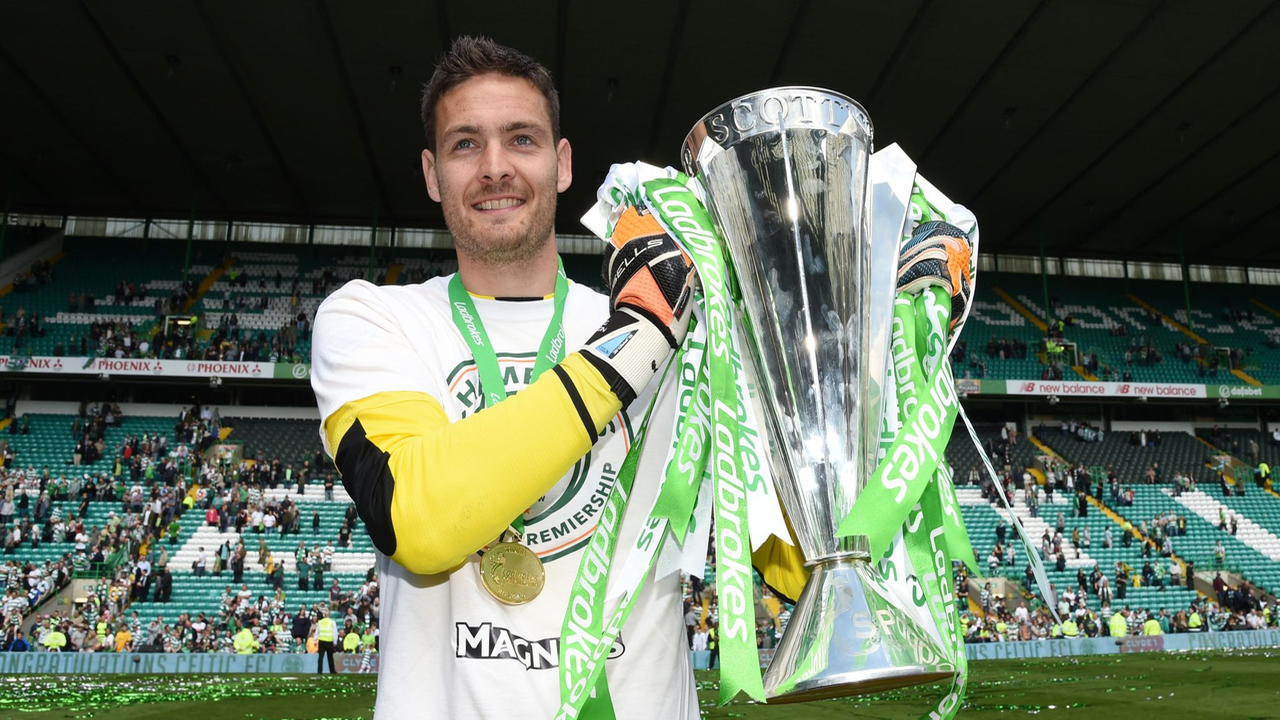
Gordon represented Hearts, Sunderland and Celtic and won 81 caps for Scotland. He also won domestic honours during his years with Celtic.
Those achievements remain part of his completed playing career. Any next position will become a separate story only if Gordon or an organisation confirms it.
Gordon’s 81 Scotland appearances place him among the country’s most experienced goalkeepers. His final total covers international football before and after the major injuries that interrupted the middle of his career.
Comments
No comments yet — be the first to share your thoughts.