









UK consultation could remove unlicensed gambling sponsors from football
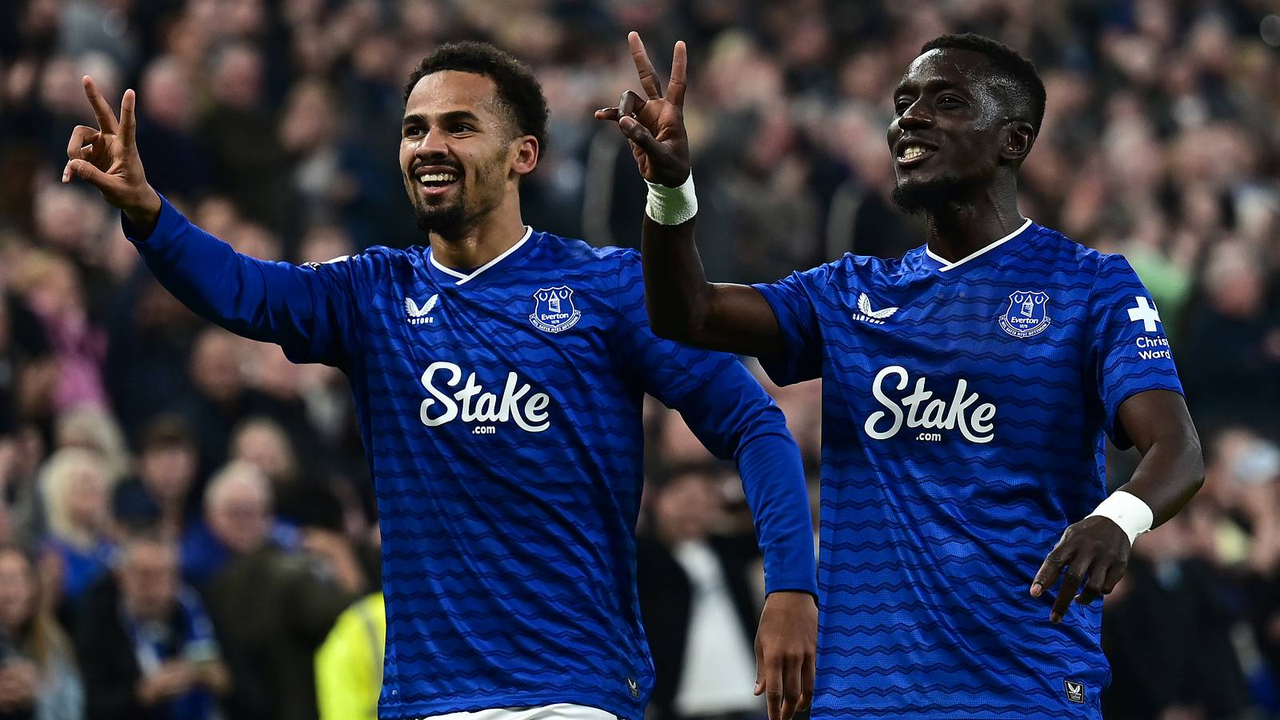
The UK government has opened an eight-week consultation on gambling sponsorship. The proposal would stop football clubs from displaying physical advertising for operators that do not hold a Gambling Commission licence. The consultation was published on July 15 and closes on September 9, 2026.
Football is central to the plan. The government says it is the main source of unlicensed gambling sponsorship in Britain. It estimates that about 40 percent of Premier League clubs had a sponsorship or advertising deal with an unlicensed operator during the 2025-26 season. The proposal is not law yet.
Which football assets are covered
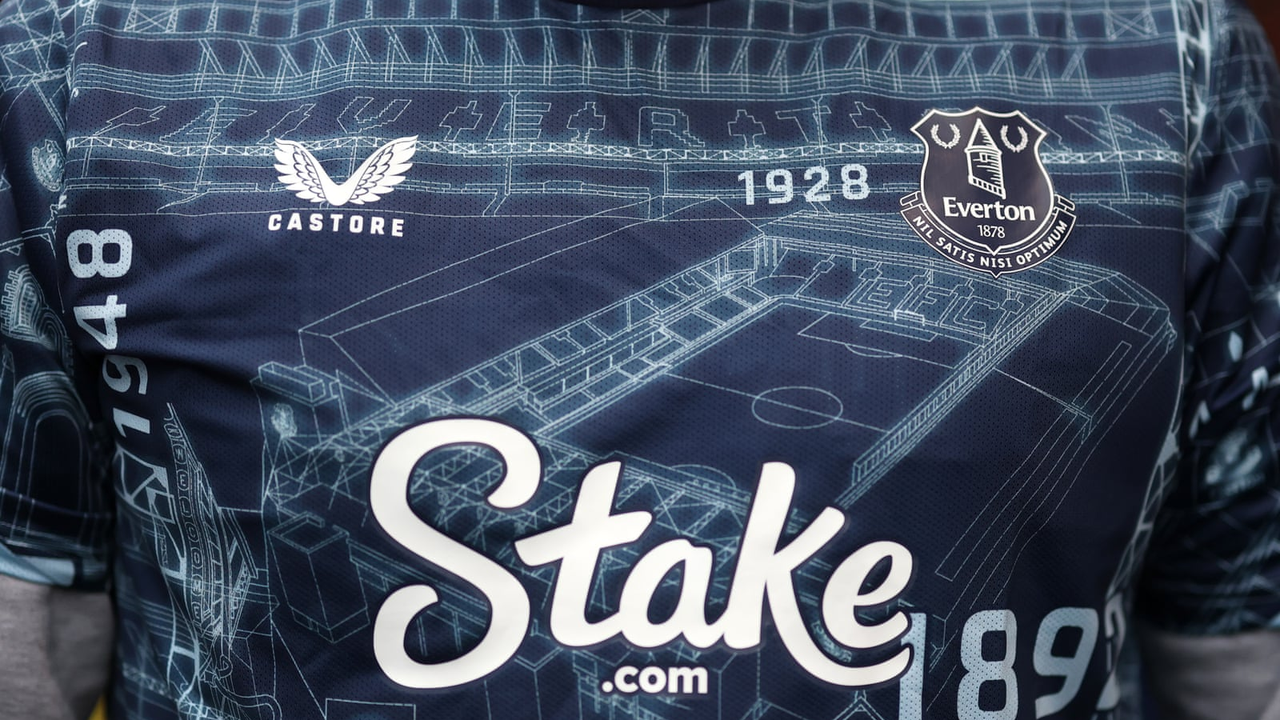
The proposed ban covers logos on match shirts and training equipment. It also covers pitchside boards, match programmes, stadium structures and naming rights. A club, league, venue or player could not display this branding in Britain after the new rule starts.
The test is the operator’s licence status. A company with a valid Gambling Commission licence is in a different category. The plan does not remove every gambling sponsor from football. It targets physical advertising for operators that are outside the British licensing system.
A licence from another country is not the same as a Gambling Commission licence. The present exception can apply when an overseas service blocks users in Great Britain. The proposed rule would focus on the physical logo instead. A football club could no longer rely only on the sponsor’s geo-block when it displays that logo in a British stadium.
Why the present rule may change
An overseas operator can currently sponsor a British club without a British licence when its gambling service is blocked for users in Great Britain. Geo-blocking is meant to keep those users away. The government says a virtual private network can allow a user to pass that block.
The concern is simple. A logo on a famous football shirt can make a brand look approved in Britain even when the operator is not licensed there. The consultation says this may confuse supporters and weaken the rules that apply to licensed companies.
Physical advertising can be checked on a shirt, board, programme or stadium. Online promotion crosses borders and uses external platforms. The consultation treats it separately. A wider digital ban would need a new Act of Parliament and is not part of this proposal.
Everton show the football connection
Everton carried Stake on the front of their shirts in the 2025-26 season. The club then moved to a different front sponsor for 2026-27 and agreed a sleeve partnership with Stake. Both positions show how a commercial logo becomes part of the image seen during a football match.
The government document does not decide the status of one club’s contract. Each agreement would have to be checked against the final law and the sponsor’s licence status. The Everton example shows why clubs are reading the consultation now, before they sign or renew long deals.
Football’s commercial relationship with supporters also appears in another commercial issue around football supporters.
Clubs need a clear date because sponsorship deals often cover several seasons. A fixed August 2027 deadline could end some contracts early. The other option could let current deals continue until August 2028. Neither timetable is final.
| Signal | Meaning |
|---|---|
| Consultation closes | September 9, 2026 |
| Football estimate | About 40% of Premier League clubs in 2025-26 |
| Preferred start | August 2027, before the 2027-28 season |
The front-of-shirt rule is separate
Premier League clubs already agreed to remove gambling sponsors from the front of match shirts after the 2025-26 season. That voluntary decision does not cover every sleeve, board or stadium asset. The new government proposal is wider because it follows the licence of the operator and the place where the logo appears.
The two measures should not be confused. The Premier League rule concerns the front of match shirts. The consultation concerns physical advertising by unlicensed operators across football. A licensed gambling company is not automatically banned by this proposal.

If the proposal becomes law, continuing to display an unlicensed gambling sponsor could become a criminal offence. That consequence would begin only after the legislation and its start date are approved. The consultation itself is not a penalty notice and does not punish a club for a logo that is lawful under the current rules.
Two possible start dates
The government’s preferred date is August 2027, before the 2027-28 football season. Under that option, affected physical advertising would have to end on the same fixed date. Clubs would have about one year to find replacement partners.
The second option would apply the ban to new contracts first. Existing agreements could continue, but not beyond the beginning of August 2028. No logo has to disappear today because the consultation alone does not change the law.
The government asks clubs to provide contract values, end dates and the likely cost of finding replacement sponsors. It also wants evidence from smaller clubs that depend more heavily on one commercial deal. Those figures are not public for every team, so the consultation cannot set a final financial total yet. Responses may support one timetable or suggest another. The government plans to review the evidence and announce its decision later in 2026. September 9 is the deadline for responses, not the date when a ban begins.
What clubs must wait for
The consultation asks clubs and leagues to explain the value and length of their current deals. It also asks how quickly replacement sponsors can be found. The government will review the answers before it decides whether to introduce the ban and which timetable to use.
Online advertising is not included in the planned physical ban. A wider digital rule would require primary legislation. For now, the key facts are limited: the consultation is open, football is its main sporting focus, and no final prohibition has started.
Comments
No comments yet — be the first to share your thoughts.