















Diego Forlan takes temporary charge of Uruguay
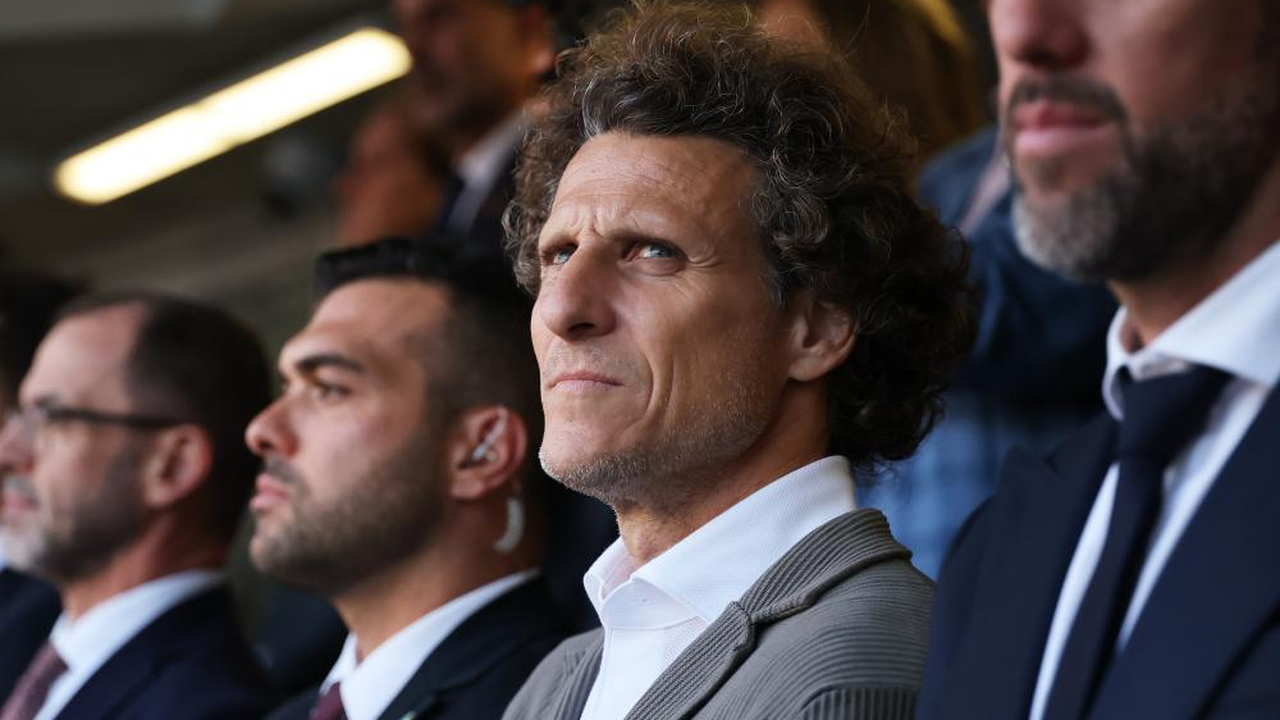
Diego Forlan has been appointed as Uruguay’s head coach on a temporary agreement running until March 2027. He replaces Marcelo Bielsa after Uruguay left the World Cup in the group stage. Reports of tension around the squad followed the tournament. Forlan will also oversee the under-20 national team during the same period.
Uruguay have appointed a respected former national-team player at a difficult time. Forlan scored 36 goals in 112 appearances and won the Golden Ball at the 2010 World Cup. That playing record gives him respect. However, he has limited senior coaching experience with Penarol and Atenas.
Forlan’s first task is to rebuild trust
Uruguay can change tactics more quickly than they can rebuild trust. Players need clear and consistent information about roles and selection. Forlan’s national-team career gives him immediate respect. His past achievements cannot replace fair decisions about the current squad.
The first camps should therefore keep the message simple. Players need to know what behaviour is expected, how feedback will be given and which football actions define the team. A coach who tries to solve every old disagreement in public may extend it. Private conversations and visible fairness can move the group toward the next match. The temporary agreement runs until March 2027 and includes responsibility for the under-20 side. Forlan must therefore coordinate senior results with decisions about the next generation. His own Uruguay record of 36 goals in 112 games gives him direct experience of the senior team’s demands.
The temporary contract gives Forlan little time
Forlan’s agreement ends in March 2027. He has limited time to improve results, assess the squad and prove that his methods deserve a longer contract. The federation will evaluate him during every national-team camp.
A temporary coach may become too focused on avoiding defeat. Uruguay still need a balanced plan. They can improve their defensive organisation quickly, but they must also move the ball forward with purpose. Forlan needs positive football if he wants to remain after March.
Forlan understands Uruguay’s World Cup pressure
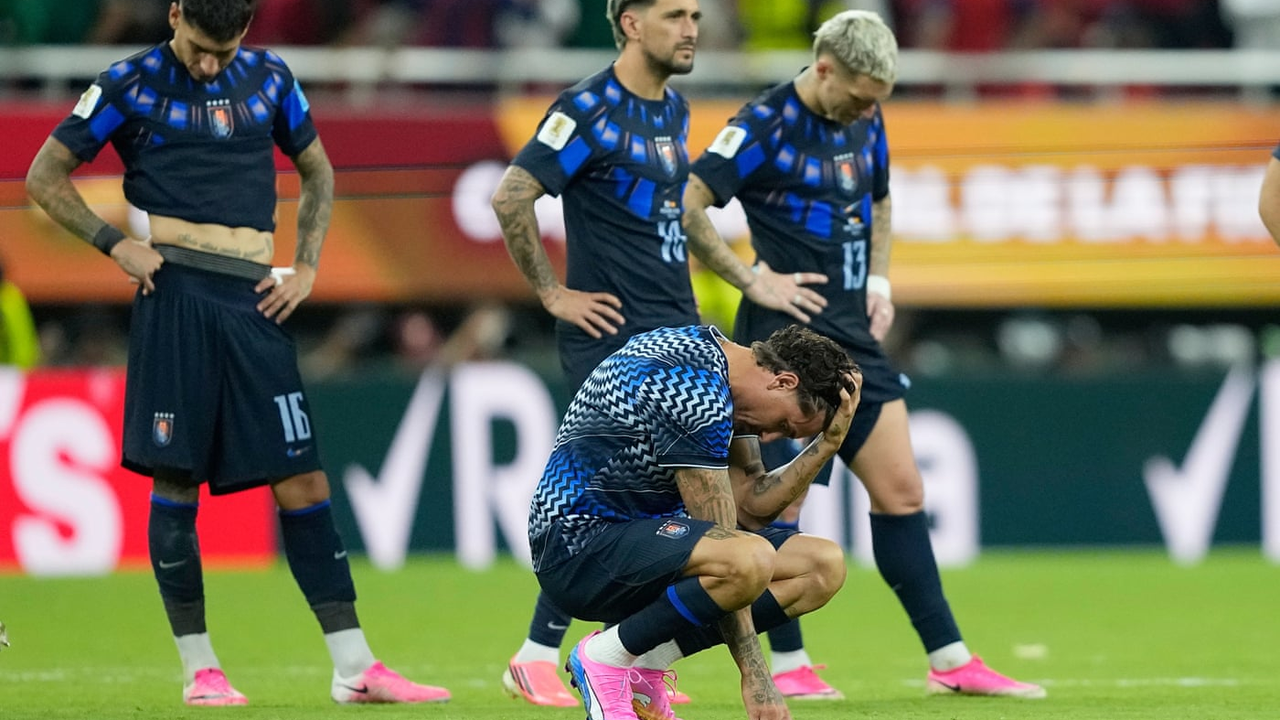
Forlan understands Uruguay’s World Cup expectations. He was the team’s leading player in 2010 and experienced the pressure of a major tournament. He can use that experience when he speaks with the current squad.
Comparisons with 2010 can also place too much pressure on the current squad. These players have different strengths. Forlan can use the past to explain standards, but he should let the new team develop its own style.
| Signal | Meaning |
|---|---|
| Appointment | Temporary Uruguay head coach until March 2027 |
| Additional role | Oversight of the national under-20 team |
| Playing record | 36 goals in 112 Uruguay appearances |
Forlan has limited senior coaching experience
Forlan takes over after the problems examined in the review of Uruguay’s World Cup exit. That report focuses on the players and the tournament exit.
Forlan has coached the senior teams of Penarol and Atenas, but he has not worked for many full seasons. The national-team role brings another challenge because training time is short. He may have only a few sessions to prepare for a competitive match.
Experienced assistants will be important. They can prepare match analysis, free kicks, corners and physical plans. Forlan can then focus on the main tactics and relationships with players. Sharing work with qualified staff will strengthen his coaching team.
The under-20 role can help young players progress
Oversight of the under-20 side gives Forlan a direct view of the next generation. Uruguay can use that connection to teach similar defensive language, pressing cues and standards across age groups. A young player promoted to the senior team would then arrive with familiar principles instead of starting from zero.
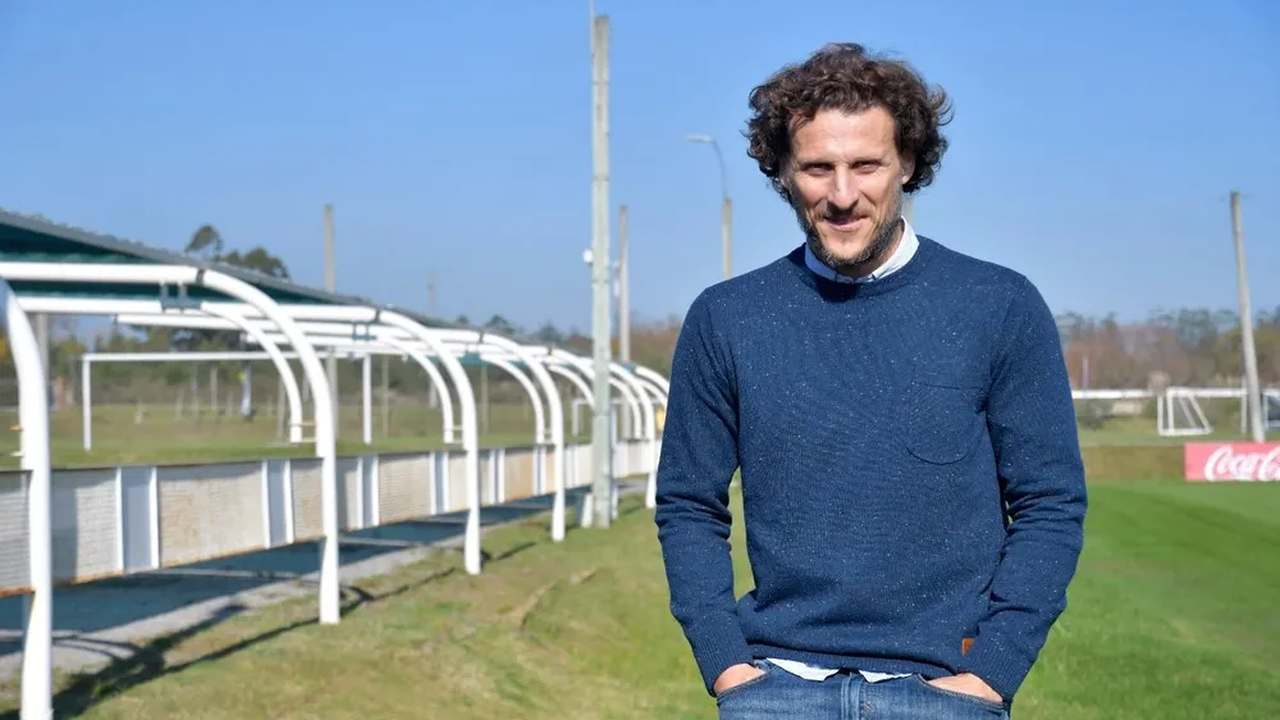
The two roles also create a workload risk. Senior selection, opponent study and youth development each require time. The federation needs clear operational support so the under-20 team receives proper attention rather than becoming an extra title beside Forlan’s name. Continuity only works when both levels have detailed daily leadership.
Selection should reflect current form and team needs
After a disappointing tournament, calls for a complete change are common. Uruguay should avoid replacing experience only to create the appearance of renewal. Forlan needs to judge which older players still perform a useful role and which younger options are ready for responsibility now.
Forlan should consider recent performance and the needs of his tactics. A famous club player may not suit one specific role. A less famous player may help the team work together. Clear explanations can reduce tension and help players accept difficult decisions.
Uruguay need a clear way to build attacks
The next version of the team cannot rely only on aggression and recovery runs. Opponents who defend deep will ask Uruguay to create from controlled possession. Forlan must decide how the centre-backs find midfield, where the full-backs begin and which forward movements open the central lane.
Those ideas should remain simple enough for limited camp time. Two or three repeatable patterns can be more useful than a large playbook. If players understand the first and second option, they can adapt when pressure changes. Clarity also makes video review more exact because mistakes can be compared with an agreed action.
Uruguay must review results and team progress in March
Results will be the main measure of Forlan’s temporary period. The federation should also review the team’s progress. Player roles should be clearer, young players should move closer to the senior squad, and Uruguay should handle different types of matches. These changes would show that the work can continue.
His appointment is a bold use of national authority at a fragile time. It can work if Forlan turns familiarity into standards, surrounds himself with experienced staff and resists living through his playing career. Uruguay do not need the hero of 2010 to return as a player. They need a coach who can make the next team trust its own work.
Comments
No comments yet — be the first to share your thoughts.