






















France and Spain bring unbeaten game states into one semifinal
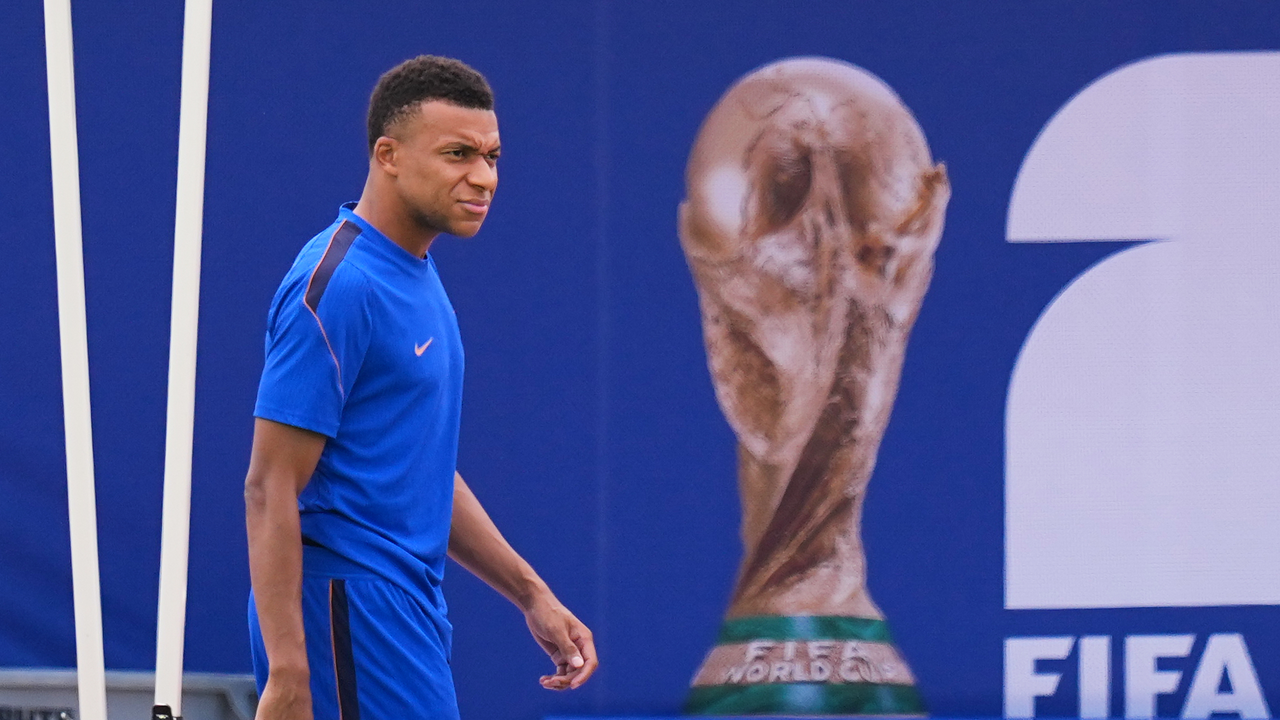
France and Spain arrive at their World Cup semifinal with a rare shared number: neither side has trailed in the tournament. That makes the match less about rescue stories and more about who can control the first uncomfortable spell.
The angle is fresh for July 14 because it is not another general preview of the same pairing. It is about game state, patience and how two teams that have avoided chasing a scoreline react if the semifinal finally takes them somewhere new.
No team wants the first chase
The match note shows that both France and Spain have reached this stage without trailing. That is not only a clean statistic. It means both teams have played most of their tournament on their own terms.
The first goal could therefore change more than the score. It could force a team that has been patient and structured to show whether it can stay simple while chasing.
France can wait without looking passive
France have enough speed and individual quality to let a match breathe before they attack the most valuable space. That is different from sitting back with no plan.
Against Spain, the danger is waiting too long. A quiet French spell can be strategic, but it cannot become permission for Spain to pass through the match without pressure.
Spain need control with an edge
Spain’s possession only matters if it moves France and creates cleaner final actions. Sideways control can protect the team, but it will not be enough if France keep the best counters for themselves.
The useful Spanish question is whether the ball speed stays high when the semifinal becomes tense. Safe passes can be part of the answer, not the whole answer.
| Signal | Meaning |
|---|---|
| Shared marker | France and Spain have not trailed during the tournament run. |
| First pressure | The opening goal could force a new game state. |
| France key | Stay patient without letting Spain settle fully. |
| Spain key | Turn possession into faster final-third actions. |
The defenses carry the headline
A no-trailing run belongs partly to attackers, but mostly to defensive structure. Both sides have avoided the kind of early mistake that turns knockout football into a chase.
That makes the first twenty minutes important. The team that defends calmly without retreating too far will give itself the better chance to play the match it wanted.
Substitutions may decide the mood
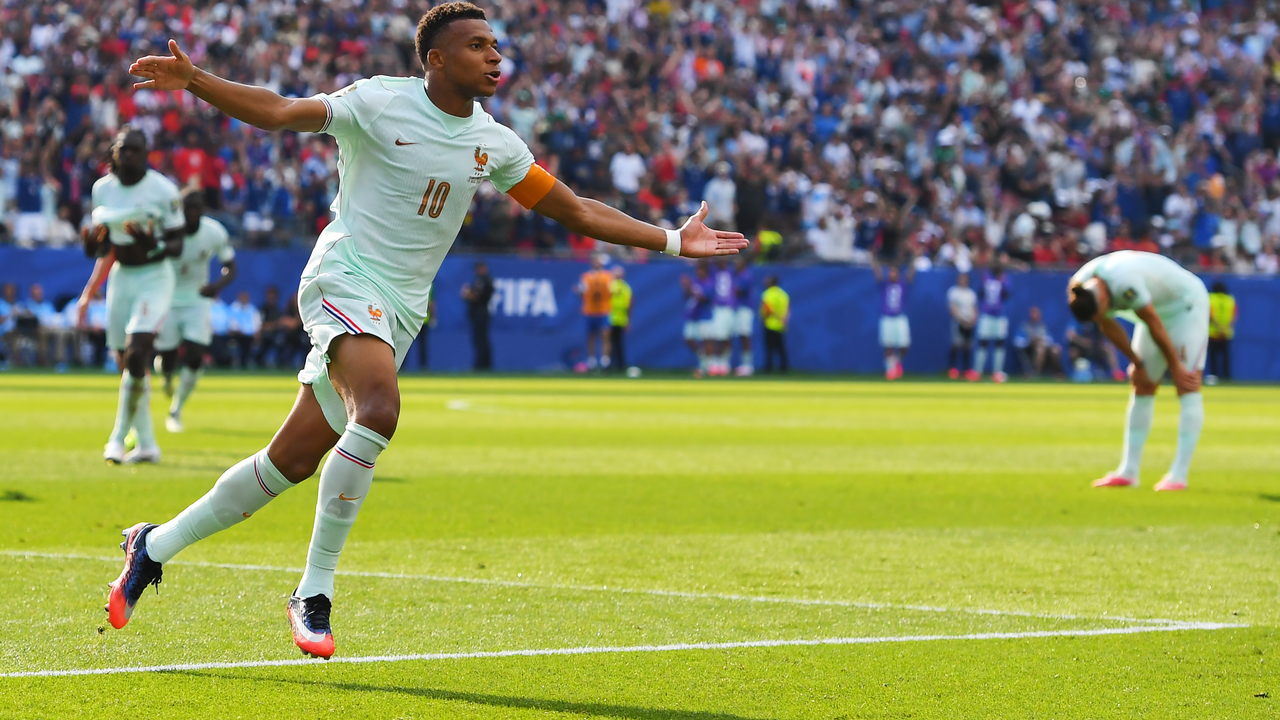
If the game stays level, benches will matter. A semifinal can turn on a fresh runner, a second striker, or a midfielder who calms one sequence when everyone else wants to force the pass.
That is where the two no-trailing runs become useful background. The first manager to change the rhythm without creating panic may control the last half-hour.
The final waits, but the test is here
The winner moves toward the final, but treating this match as a bridge would be a mistake. France and Spain have both been strong enough to avoid the worst game state. Now one of them may have to solve it live.
That is the clean reason to watch. The semifinal is not only about talent. It is about which team can keep a simple plan when the tournament finally stops feeling simple.
Where the semifinal can change shape
The first goal would matter more than usual because neither side has spent the tournament solving a chase. The team that falls behind will have to decide whether to stay patient or change the rhythm earlier than planned.
France can live in lower-possession phases if the spacing stays sharp. The danger is letting that patience become silence. Spain will be happier if the match becomes a long passing exercise with no repeated French threat behind the line.
Spain’s control needs speed at the right moments. Keeping the ball is useful only if it moves France enough to open the final action. A semifinal can become safe very quickly when both teams know one mistake may define the night.
The benches may be the cleanest difference. A fresh winger, a calmer midfielder or a defender who wins the first duel after coming on can change the emotional temperature of the match without needing a complete tactical rewrite.
Where France and Spain can decide the match
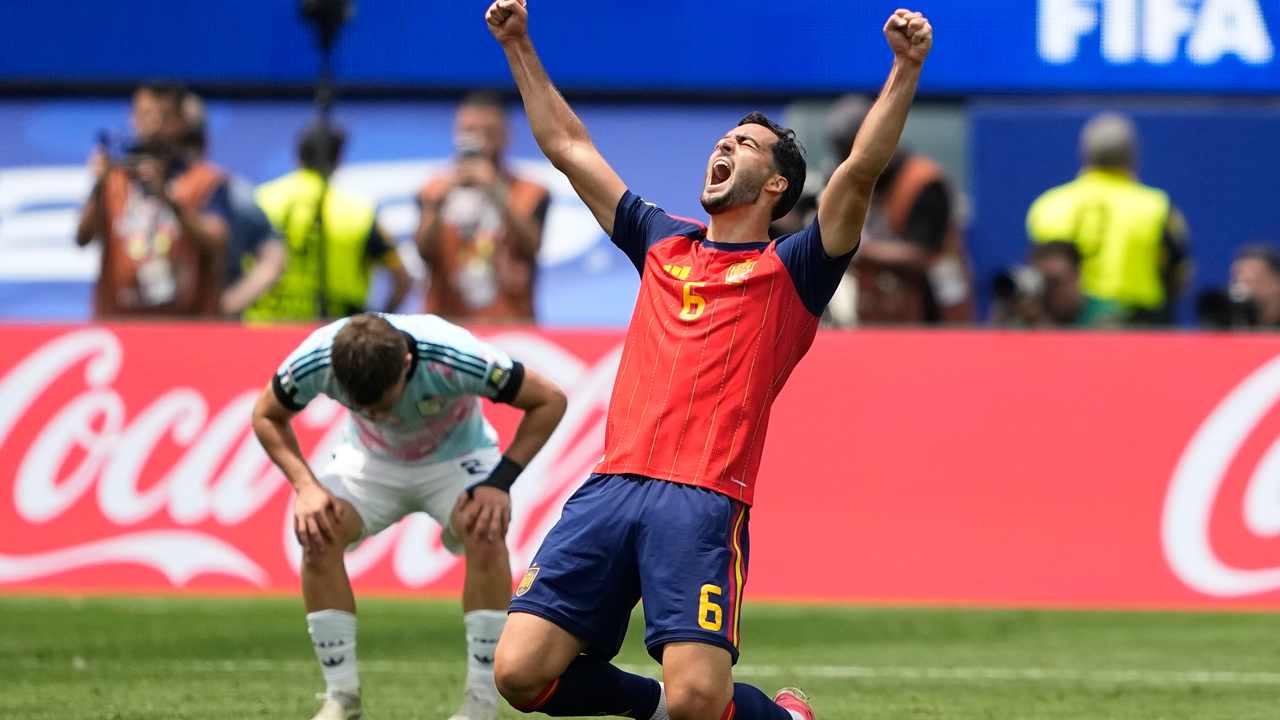
The first twenty minutes can shape the semifinal because both teams have avoided chasing the score in the tournament. France will want the game to stay open enough for fast attacks. Spain will want long possessions that move the French midfield before the final pass arrives.
France’s biggest weapon is the ability to wait without losing threat. If Spain leave space behind the full-backs, France can turn one clearance into a direct attack. That makes the timing of the French press important, because constant pressure may create gaps that Spain can use.
Spain need possession with sharper changes of speed. Safe passing can protect the team, but the semifinal will demand runs beyond the last line and faster support around the box. If the ball moves too slowly, France can defend in shape and save energy for counters.
The managers may decide the late rhythm with substitutions. A fresh winger can stretch tired defenders, while an extra midfielder can protect a narrow lead. The team that handles the first uncomfortable spell without rushing its plan will have the cleaner route toward the final.
Set pieces may become the simplest way to break the match open. France can create danger with aerial power and second balls, while Spain can use short routines to pull defenders out of the box. A semifinal with two careful teams often needs one dead-ball detail to change the score.
Discipline around the first yellow cards will also matter. If either midfield starts defending with caution, the opponent can attack the same channel again and again. The side that keeps its defensive duels clean will be able to stay compact longer.
Goalkeeper distribution can become a hidden factor. If Spain press high, France may look early for space behind midfield. If France hold a lower block, Spain’s goalkeeper and center-backs must move the ball quickly enough to stop the French forwards from resting between counters.
Comments
No comments yet — be the first to share your thoughts.